Jun Asami
Editor/Writer
Director of the antique shop ‘Goods’, also belongs to Design studio ‘Well’. He has worked on the production and publication of artbooks alongside other artist. The catcher’s mitt he is currently using is borrowed.

Discovery
2026.04.21
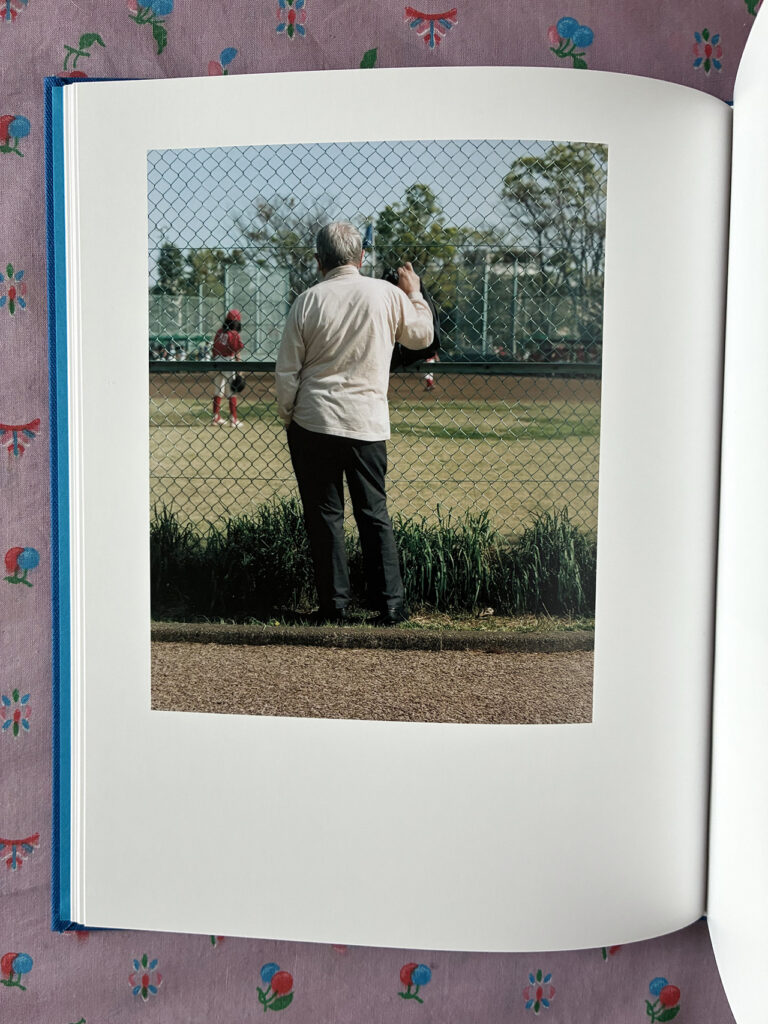
I have no idea what impulse drives me to lean a hand on the mesh netting surrounding a baseball field when I pass by a youth game on a walk. Does the shape of the netting lend itself to putting your fingers through the gaps? Of course, I don’t do this because of a desire to pass over to the other side. All the same, I feel this great distance, unrelated to any sort of actual physical distance, between me and those youths. When I looked through “distance”, a photobook by the editor Yusuke Ide who uses a somewhat time-consuming camera, I noticed a photo of an old man doing a pose I was more than familiar with. Looking at it and reading the title, a lot of things resurfaced in my memory.
In 2021, back when Shohei Ohtani was with the Los Angeles Angels, I wanted to see him play, and so despite the coronavirus restrictions, I went to see the last game of the season at T-Mobile Park in Seattle. I smiled to myself as I hopped on the plan, hoping to see a homerun and feel refreshed. When I got to the stadium, I headed to my seat in anticipation for the start of the game. I was speechless as Ohtani hit a home run on his first swing. As I watched him leisurely run around the diamond despite the chorus of booing from the opposing team, I realized, “Oh, this is where it was connected to!” I’d spent more than years from elementary school to high school dedicating myself to baseball and I realised then that if I’d stuck at it, it would have connected the baseball of my childhood to the baseball of this ground now before me. I nodded in understanding, the thought enough to make me laugh. However, the distance between the seat in the bleachers with the diamond was greater than that between Japan and the US.
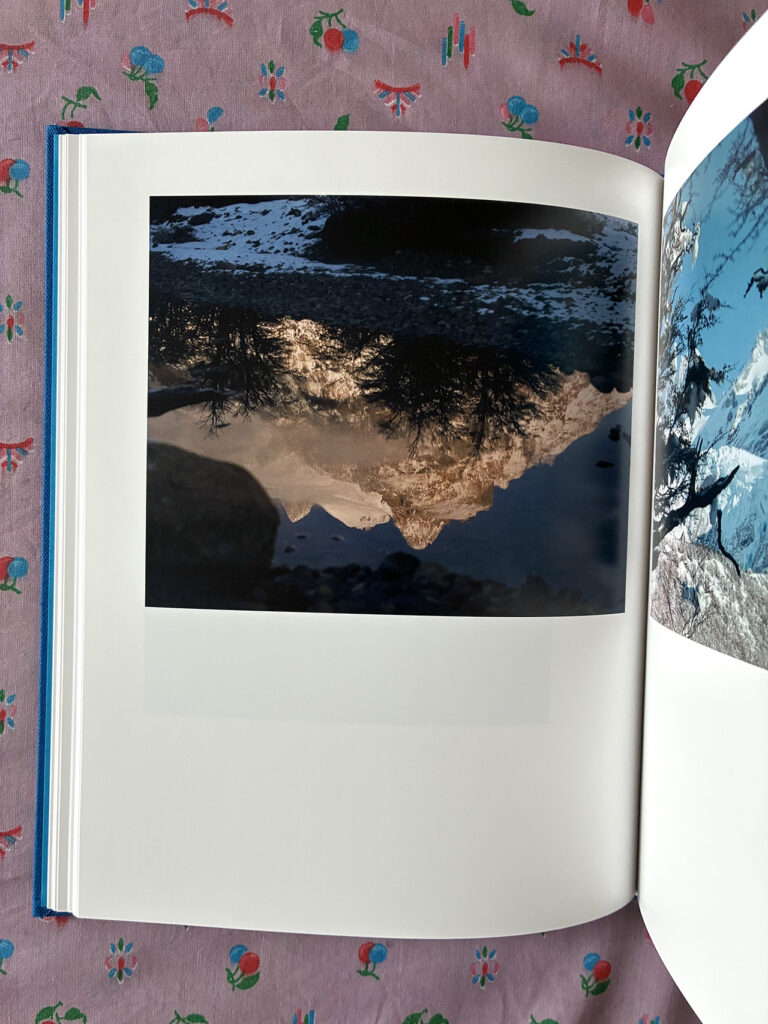
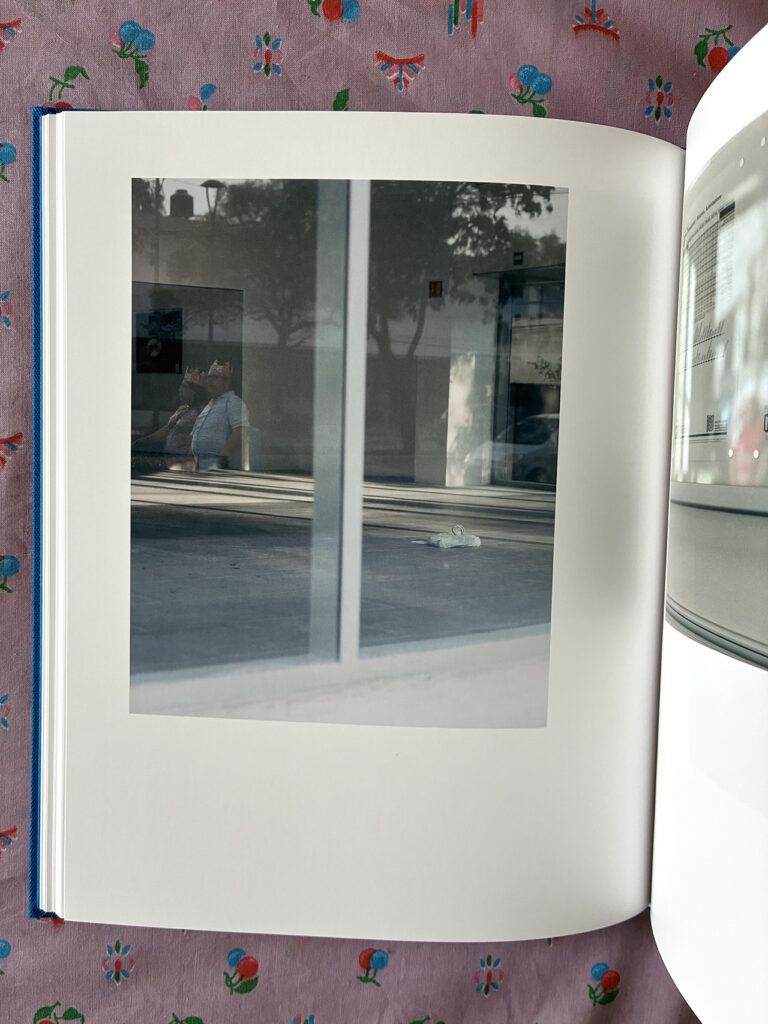
The times when distance feels most pronounced is when you are standing at the border. The reason why someone who passes away suddenly feels so far away is because of the creation of a line that you cannot cross. Interestingly enough, baseball-related vocaulary in Japanese contains a lot of violent-sounding words. You call the instance when a runner is put out by the catcher when trying to steal second base a “second stabbing”, you call a double play “double murder”, you call a pitch that hits the hitter a “dead ball”.The batter and the runner need to make sure they’re not killed—they are only alive when they’re in the batter’s box or on a base. They make their way from base to second base to try and return home, but the distance is great.
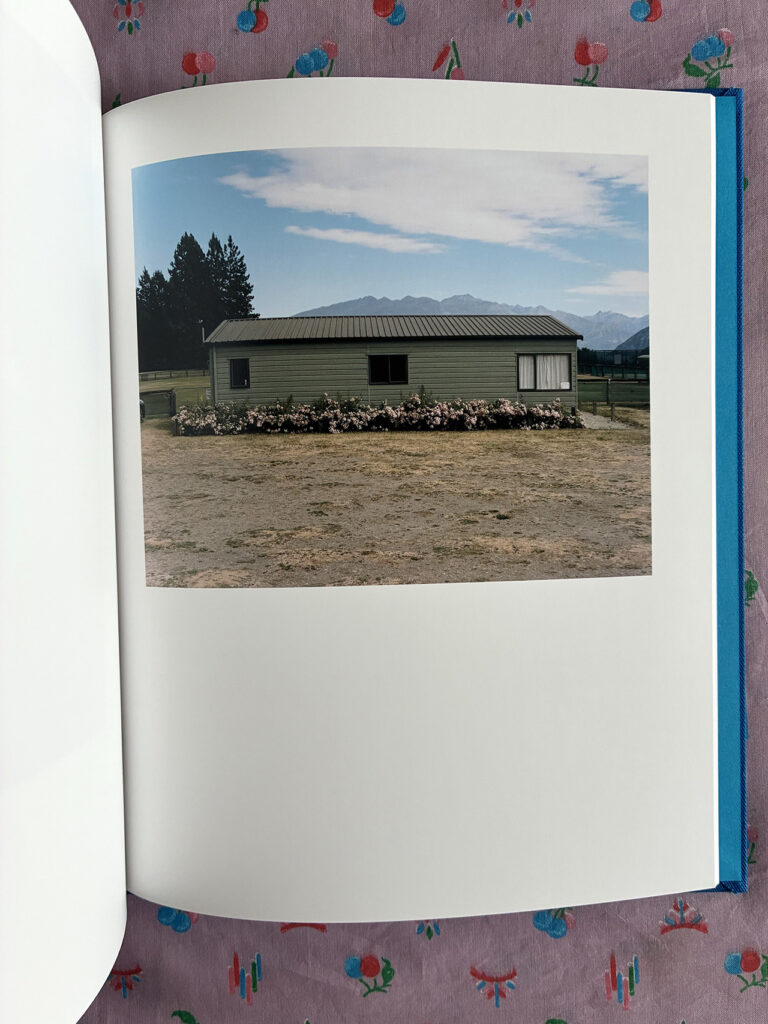
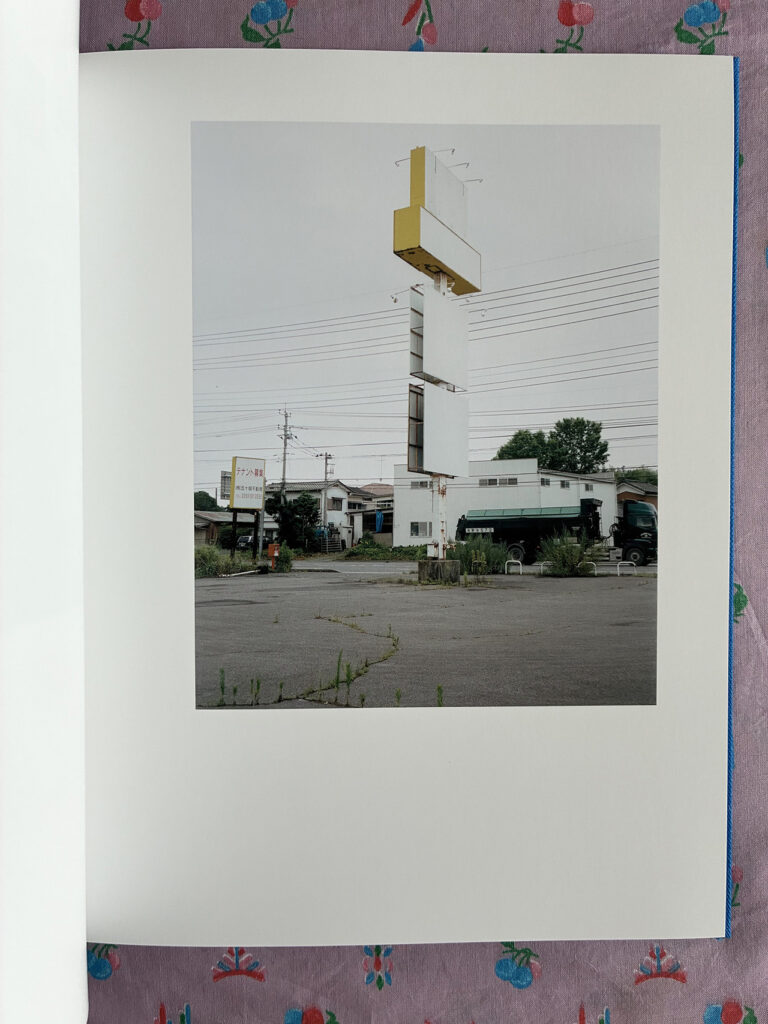
Let’s return to the photobook. In the photograph of that old man clutching at the net, where he is perhaps looking on at a little league game, the angle includes the ground, making his legs seem like they’ve planted roots and that he doesn’t wish to move from here for a while. How long has he been there for? How long does he intend to stay? I’m right-handed so would grab the netting with my left hand, but unlike me, he grabs it with his right. Perhaps this man is a southpaw.
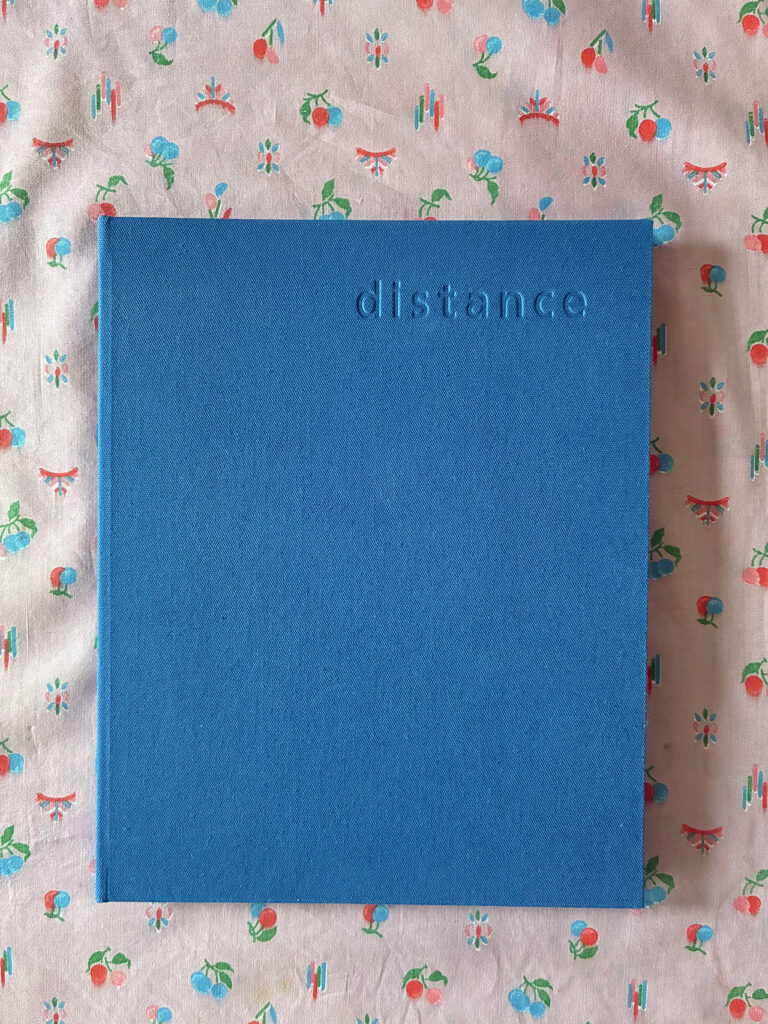
Yusuke Ide “distance”
Discovery
FIRE IN WATER
2026.10.09
Discovery
“Chakabuki, Noguchi Seitai, Musique Concrète”
2026.09.16

Discovery
Sixty Years of Design Survey: Where the Vernacular Became Architecture
2026.09.09

Discovery
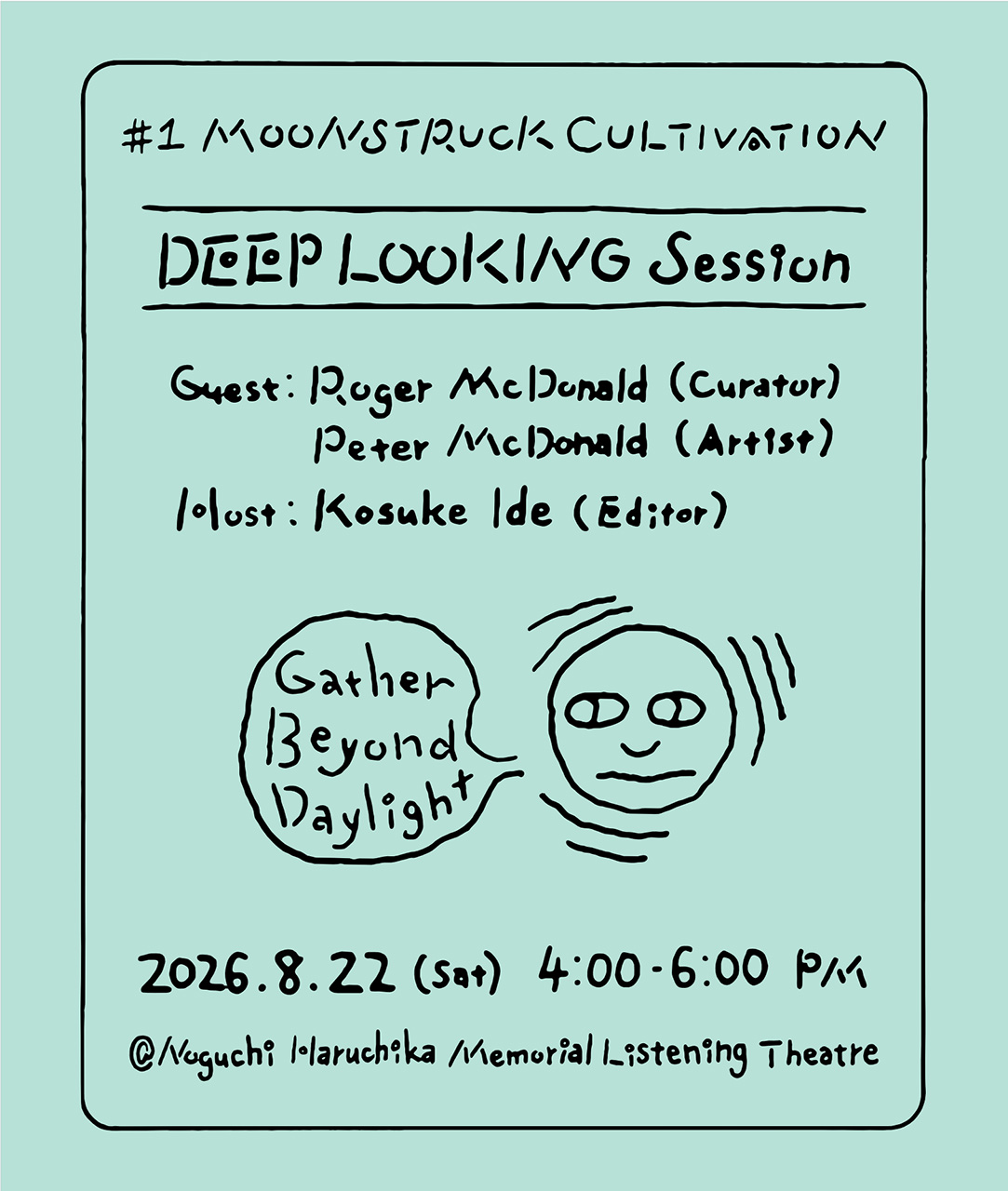
「Moonstruck Cultivation」
2026.08.18
volume 08
2025-1st
Bilingual Japanese and English
260 × 372mm 148P
Release date: December 13, 2025