Event
Talk Event @Daikanyama Tsutaya Books – Part 2
2026.05.26

Event
2026.05.20
To celebrate the publication of Subsequence Magazine vol. 8, we disclose the contents of a talk show event held at Daikanyama Tsutaya Books (T-Site) at the end of last year.
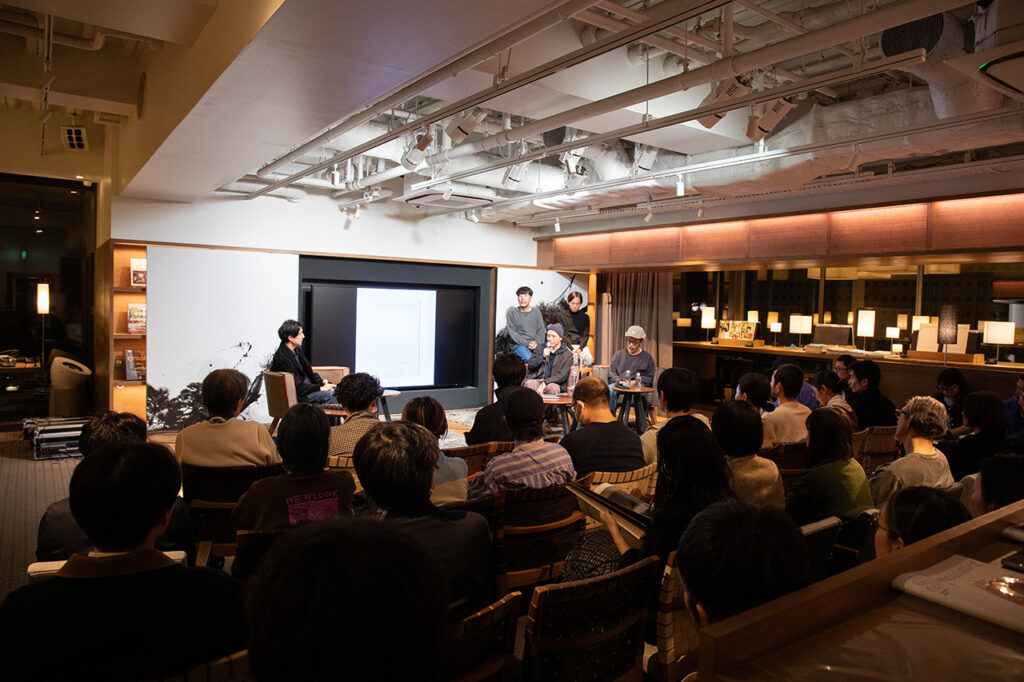
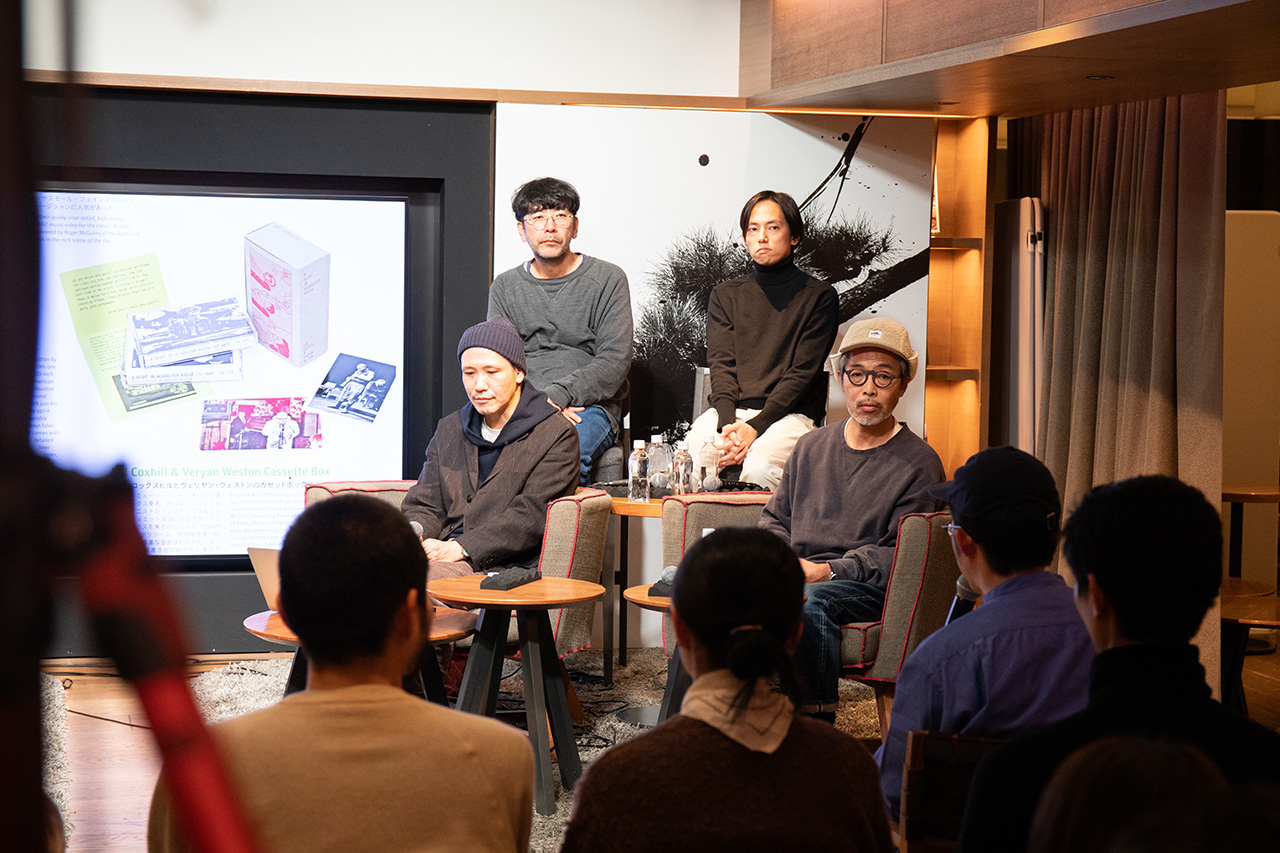
Miyamoto: My name is Ken Miyamoto, an editor for POPEYE, and the interviewer for today. I look forward to our talk today.
Ide: I am Kosuke Ide, editor in chief of Subsequence. Thank you to so many of you for coming down today. Allow me to introduce our staff members. First, is the photographer Keisuke Fukamizu who worked on the cover design and photography of Subsequence since the first volume.
Fukamizu: Thank you for having me.
Ide: Next is Junpei Niki who has been in charge of art direction also since the beginning. “Junpei Niki” is a pen name, right?
Niki: Yes, my stage name (laughs). My real name is Daisuke Ninomiya.
Ide: Finally we have Ryosuke Tanoue who has worked with us as a designer since vol.7, the previous issue.
Tanoue: Thank you for inviting me.
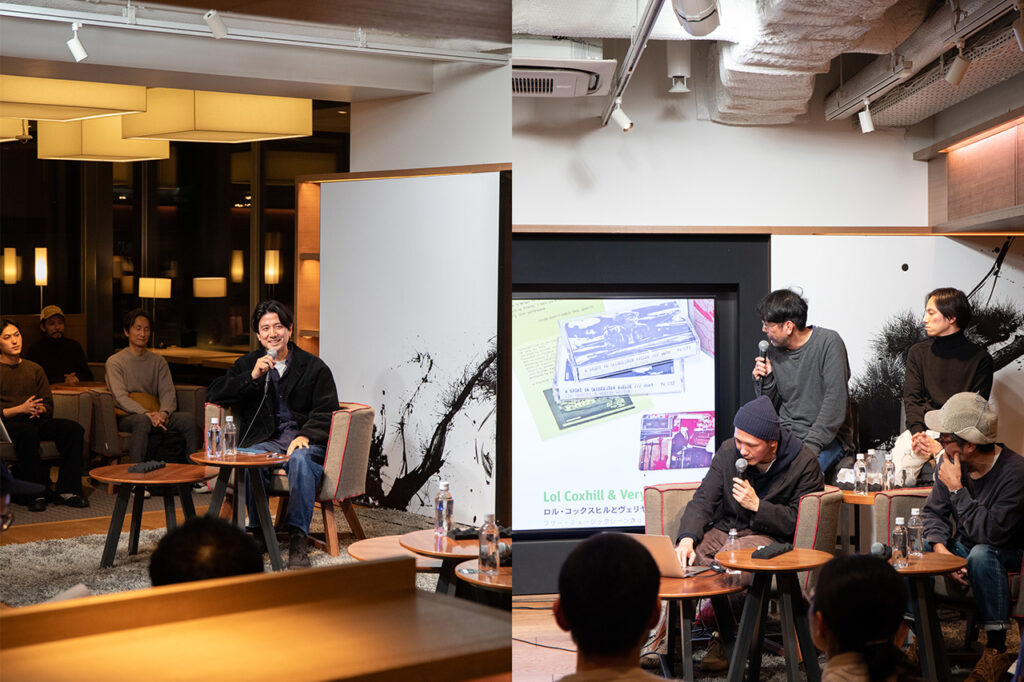
Ide: Before we get into the talk, I’d like to talk more about our moderator today, Ken (Miyamoto). I’ve worked with POPEYE for a long time as a freelance editor and from 2012 edited visvim’s Hiroki Nakamura’s serialized feature My Archive in POPEYE for seven years or so. It was through this connection that Mr. Nakamura and I talked about starting Subsequence. Ken, you started working at POPEYE around the same time, didn’t you? Could you give a brief history of that?
Miyamoto: In 2012, around the time POPEYE was going through a renewal, the editor in chief at the time, Takahiro Kinoshita, invited me to join the editing team despite my lack of any experience. That was my starting point as a writer. You were a veteran writer, so I learned a lot from you.
Ide: At the time, both Ken and I were working for POPEYE as freelance writers. Afterward, Ken became an employee of Magazine House and is now the editorial director for POPEYE Web. As for myself, I am involved with POPEYE Web as senior director. With our backgrounds out of the way, shall we talk about Subsequence now?
Miyamoto: Sure. I would love to hear about how Subsequence began and how it was managed.
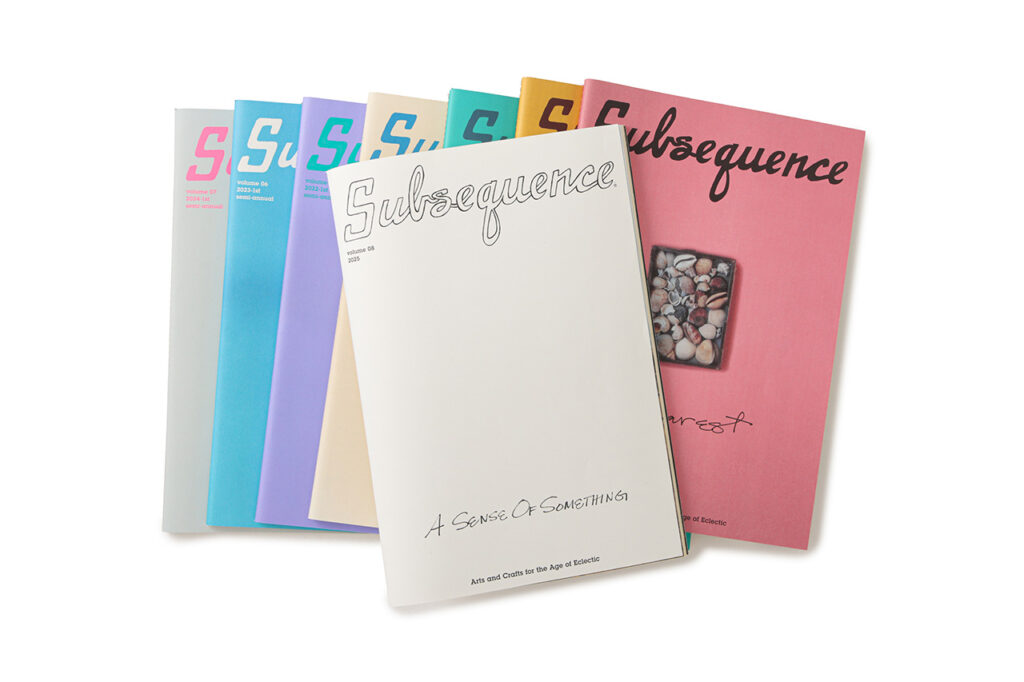
Ide: Of course. Subsequence has been going since 2019 and we are now on our eighth issue, having managed to release one issue per year or so. Cubism, the managing body for the fashion brand visvim, publishes Subsequence. There are many media outlets that publish apparel brands, but most of these are public relations magazines. They only exist to introduce the brand’s products or projects. Subsequence isn’t like that.
Miyamoto: visvim’s products don’t really appear, do they?
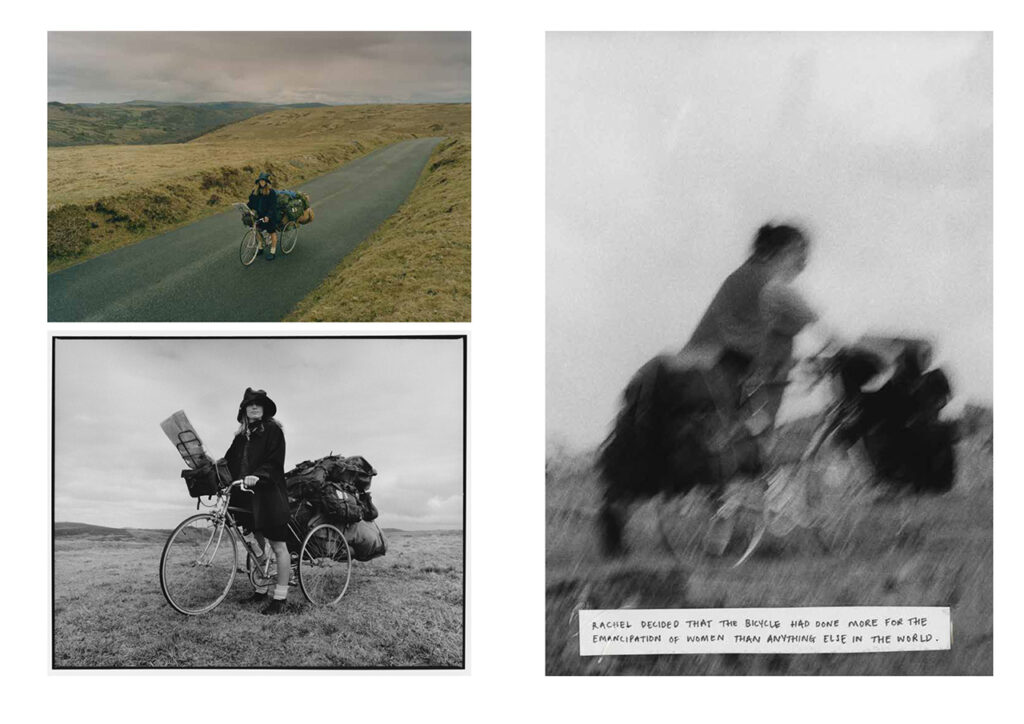
Ide: They don’t. There are pages about fashion, but not like you get in a usual fashion magazine with product names and prices. It is a form of media produced by one company, yes, but it isn’t a public relations magazine. It doesn’t exist for the sole purpose of promoting visvim.
Miyamoto: You said earlier that you have published around one volume of Subsequence per year. I am a huge fan of the content of the magazine, but I particularly love the pace that you publish them. It’s almost as if they appear just at that moment you’re about to forget about the magazine. I thought maintaining this pace was really wonderful. Was this something you were aware of from the start or just happened to occur?
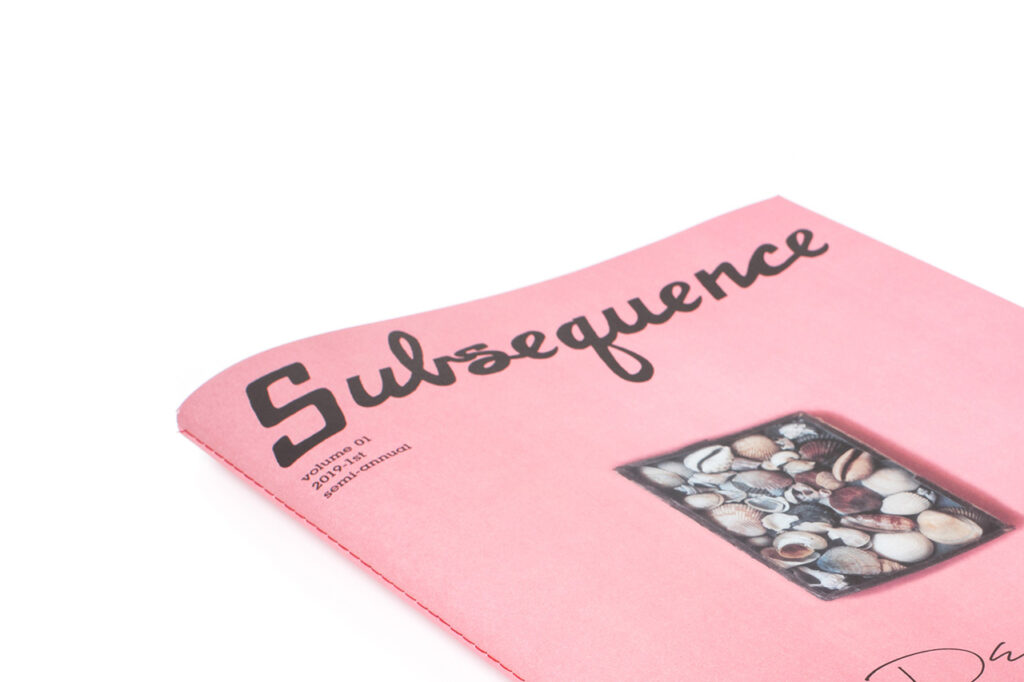
Ide: We didn’t plan it at all. We didn’t write this on issue 8, but on issues 1 through 7, we had the words “semi annual” (meaning to release twice per year) on the cover. However, the only year we managed to release two issues in one year was the first (laughs).
Miyamoto: Were you in charge of deciding the schedules, Mr. Ide?
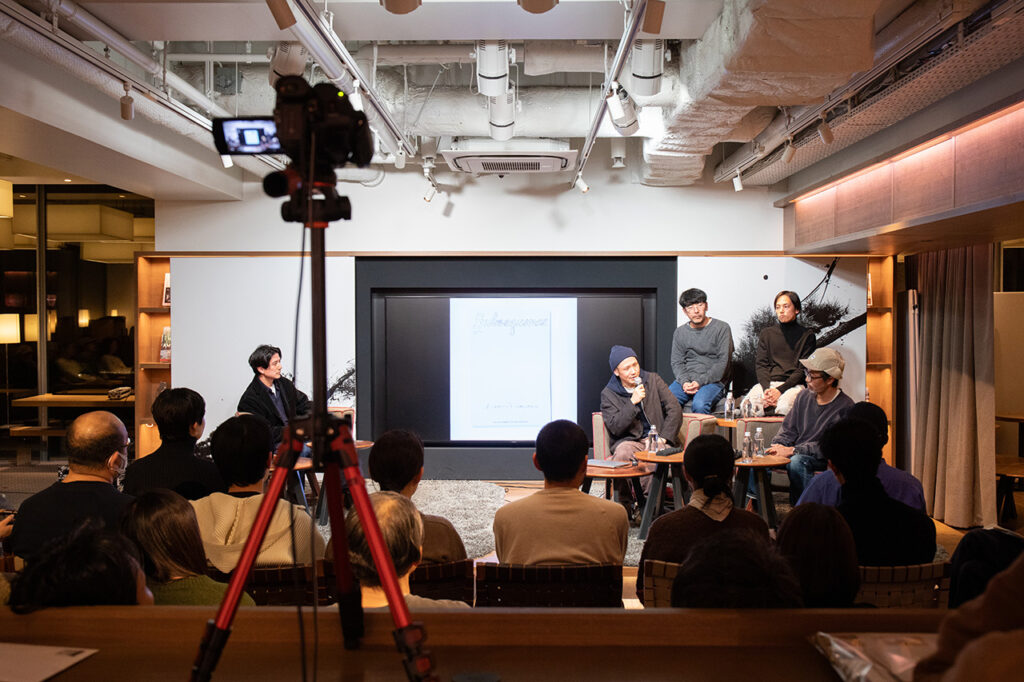
Ide: I was. When it comes to the production of the magazine, everyone here is part of the core team, and we have many contributing editors, writers, and other creatives each issue who help to create the final product. I am working on other things too at the same time, just like everyone else, and so we create each issue very slowly over the course of a year, almost like building a house. Basically, we create each issue at our own pace. I’m not sure what our readers think about it—maybe they want us to release more issues more quickly. At any rate, I think it’s a good pace.
Miyamoto: In regard to the actual content, it feels to me like you don’t include things that the reader might feel they have to read right away. The impression to me is that you can read the magazine slowly at your own pace, and by the time you’re done the next issue will have come out. Well, maybe taking a whole year to read one magazine is a bit too slow-paced.
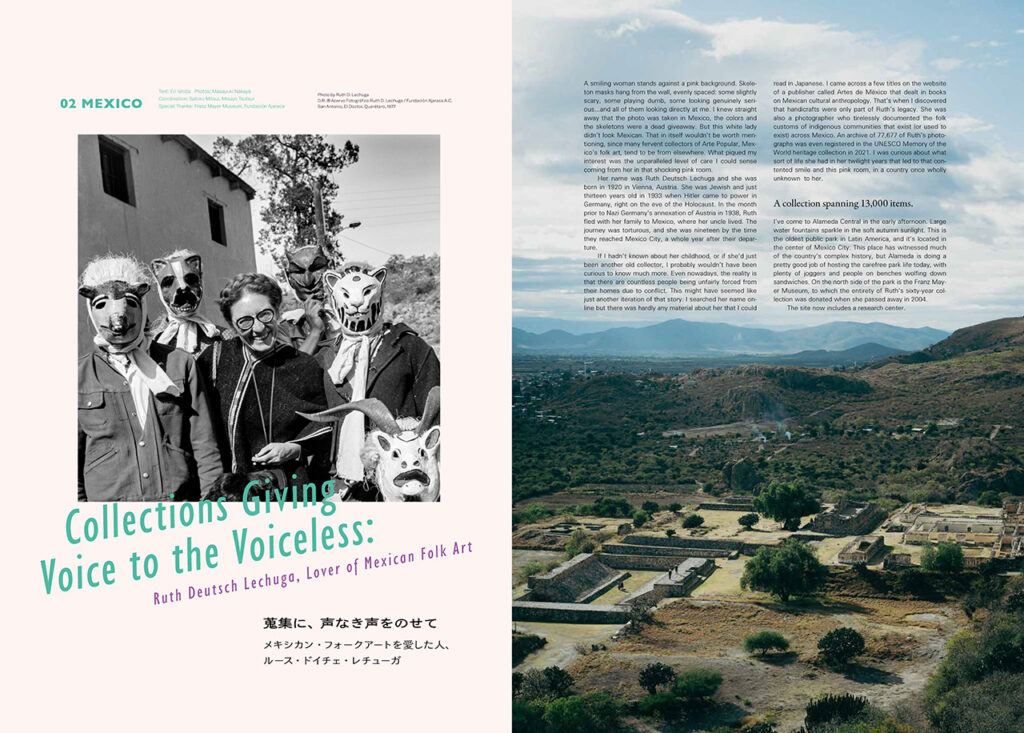
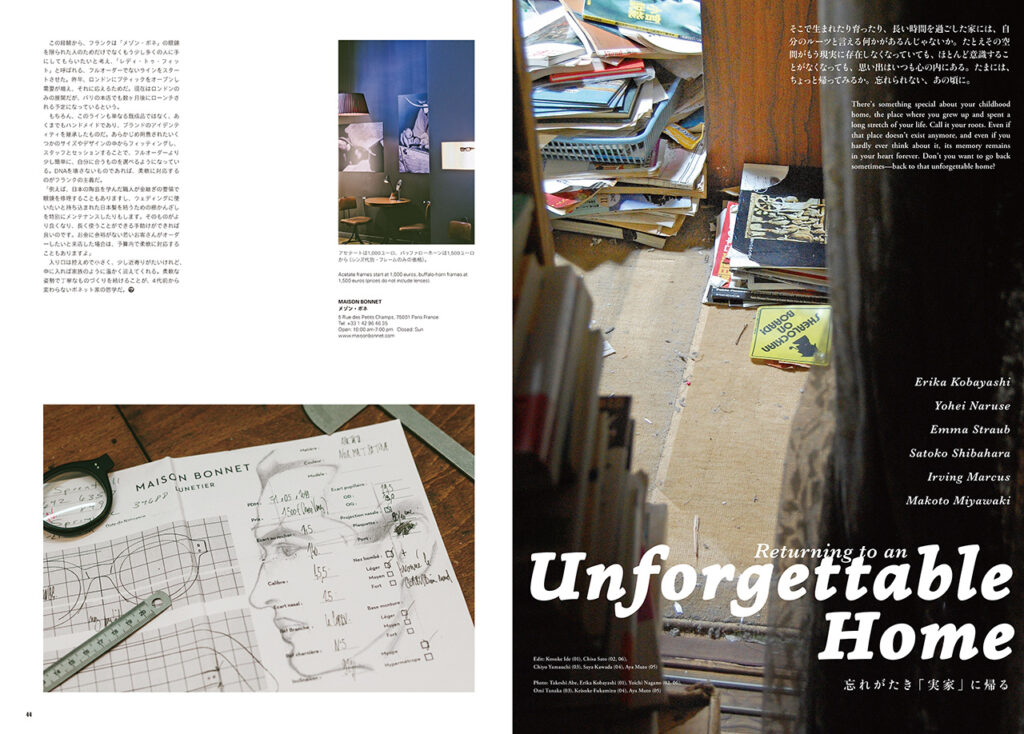
Ide: I will say that we did have the mindset that we wanted our readers to read the magazine like that from the start. Like you said, Ken, the information in Subsequence isn’t something that needs to be consumed right away, so we wanted people to read the magazine at their own pace. A lot of people are receiving information 24/7, through social media or whatever else, and so we thought it would be great if people could flip open the magazine and take a moment to slow down and unwind when they feel tired.
Miyamoto: I can really relate to the feeling of it being a place to rest and relax. The “title” of Subsequence is written on the cover of each issue, with “Small Talk” or “Remember?” being previous examples. POPEYE does this too, but the titles, such as “Room Feature” or “Summer Boy”, are a lot easier for the reader to guess the content of and make it easier for the team to work on. Compared to that, the average reader of Subsequence probably couldn’t work out what “Remember?” might entail. And so, I wanted to ask if this makes it really hard to share the image of what the magazine is aiming for with the people on the team? If the members aren’t roughly on the same page, then you might end up with totally incoherent things, right? I wanted to ask how you share the theme when it uses such vague wording and how your team reacts to it.
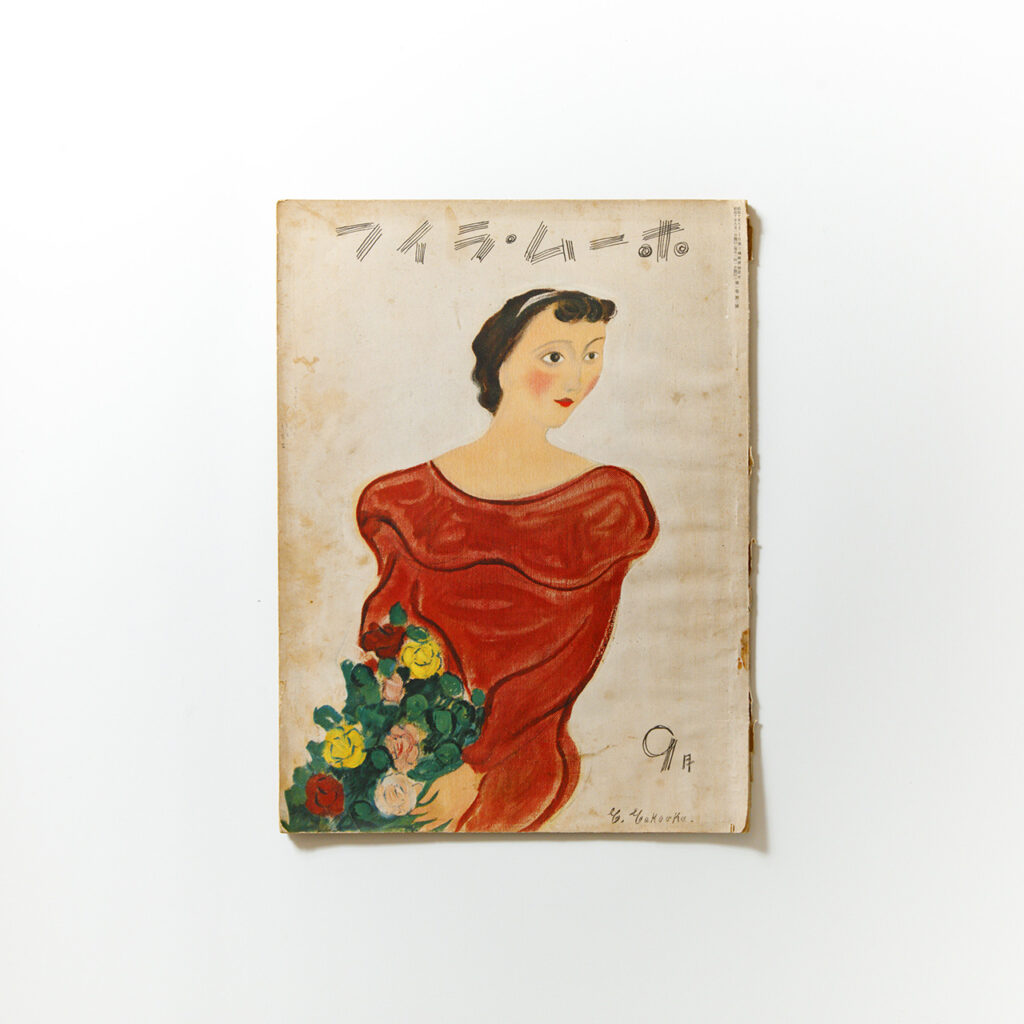
Ide: It’s worth mentioning that at the beginning, before even getting into our themes, no one knew what kind of magazine Subsequence was. Not even me. As you mentioned, Ken, it might have been easier to have decided on a theme for the magazine, like movies or cars, but I wanted to make something different to that. Pedaling back a bit, when Mr. Hiroki Nakamura from visvim said “Let’s make a magazine,” he showed me the magazine Home Life. It was a large, photojournalistic magazine released in the 1930s. It had lots of photographs, sort of what you’d see in the lifestyle magazines of today, but at the time it was pretty modern and chic. Mr. Nakamura told me how much he liked them and it stuck in my head, and was probably one reason why I thought it would be a good idea to make a large-format magazine that deals with culture and lifestyle. Not only that, although I didn’t want to use the magazine as a way to promote visvim’s products, I wanted to relate visvim’s and our sense of values to our readers and use the magazine as a way of sharing what we liked. In addition, there was a public relations magazine named Colors, produced by United Colors of Benneton during the ’80s and ’90s. Tibor Kalman was editor in chief and the magazine, as the name might suggest, dealt in lots of different “colors”—it featured the cultures of people from many countries and ethnicities with the simple message that diversity is a good thing. I thought that was terribly cool and with its fine editing, I really liked it. Colors was a magazine that seemed to actively include quite radical opinions and political content which caused it to be the center of much debate. Our direction isn’t the same as them, but I decided I wanted to create a magazine which represented our own message, our own values that we thought were important. We wanted to create a media outlet which we could use to show the things we felt, noticed, or thought were important. This approach is different to commercial magazines. I’ve worked on commercial magazines for a long time and so have some knowledge on how they’re made, their approach, how they go about making their features, and who they’re targeting. I wanted to create a magazine that had a different position to that. I wanted to ask myself, how did you two feel about it, Mr. Niki, Mr. Fukamizu? I’ve been talking about my own personal views, but I don’t think I’d ever told either of you clearly what type of magazine Subsequence was or what concept we were aiming for. How did you feel about this when you started working with us?
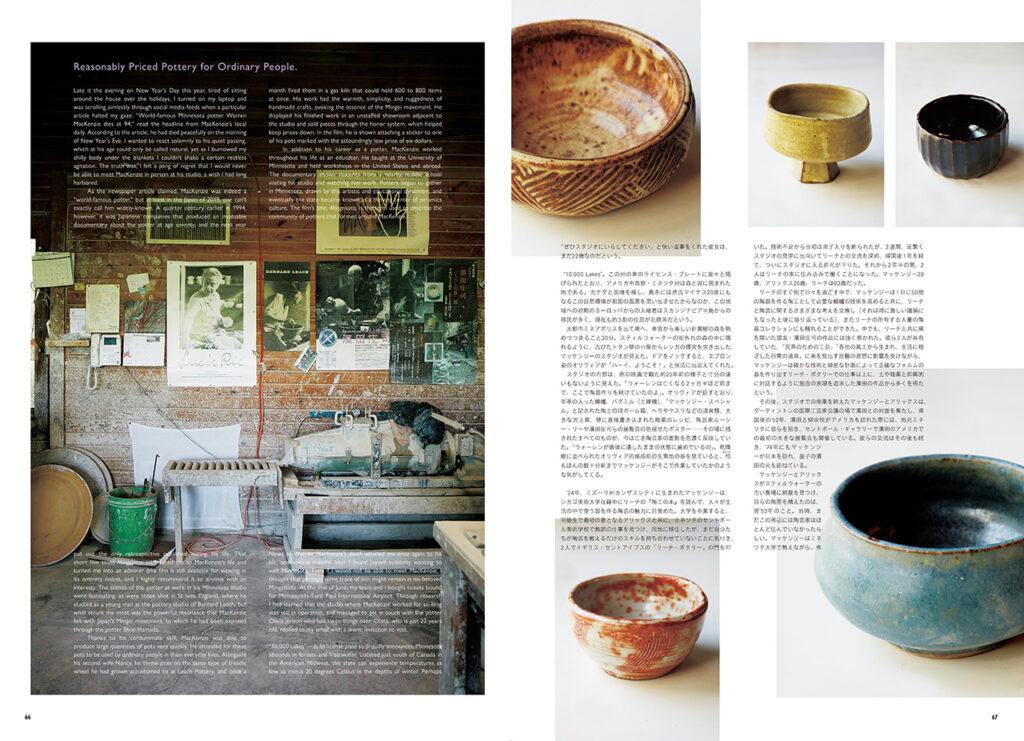
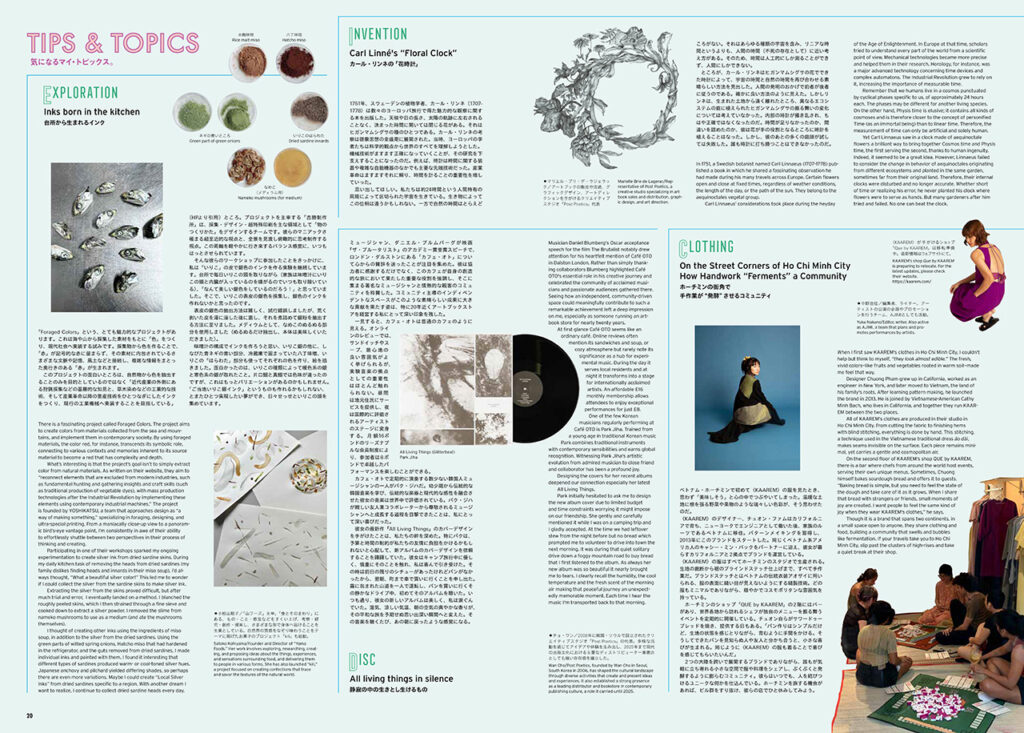
Fukamizu: Well, I had also envisioned something that wasn’t a magazine which gives you information that you need right away. I’m the sort of person who leaves magazines in the bathroom to read and so, when Mr. Ide and I spoke for the first time, I suggested the type of magazine that you could flick through while in the bathroom, that you could open up from any page the next time you were there. In regard to my photography, it is a different job to what an editor does. And so, I don’t just look at the bigger picture, but I look at the page and think about how to design things within it and try to imagine what Mr. Ide is thinking as I work.
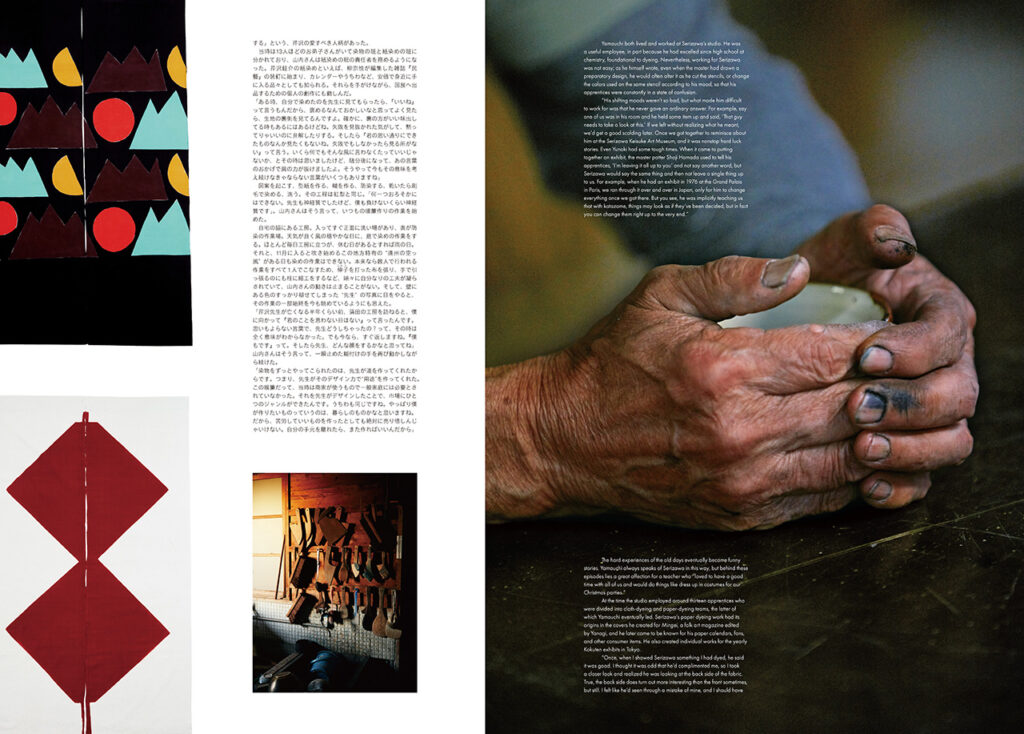
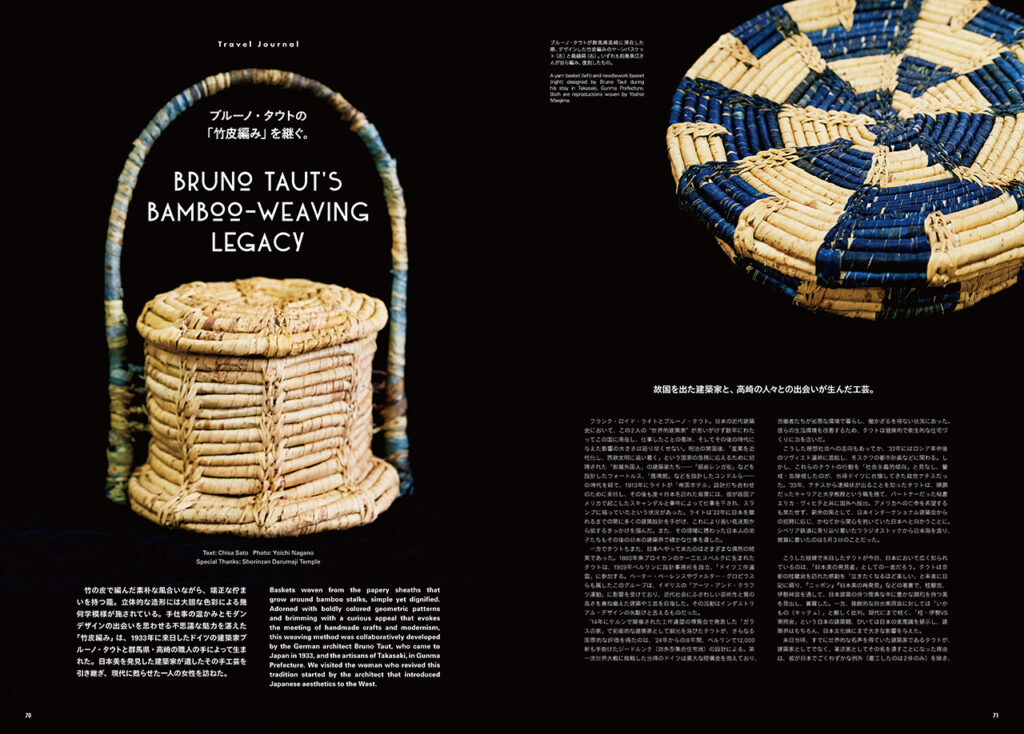
Ide: I’ve always felt there is a difference between looking at photos on the internet and flicking through a book or magazine and seeing photos on a physical page When I see Mr. Fukamizu’s photos on paper, on the magazine’s large pages, it doesn’t feel like it’s just information within the magazine, I feel like I’m reading them.
Miyamoto: I feel the same.
Ide: I wanted to share that feeling with others and get our readers to engage in the same way. I feel like this is something that Mr. Fukamizu and I have shared.
Miyamoto: So at the start, you didn’t really talk in depth, but still the sentiment was shared.
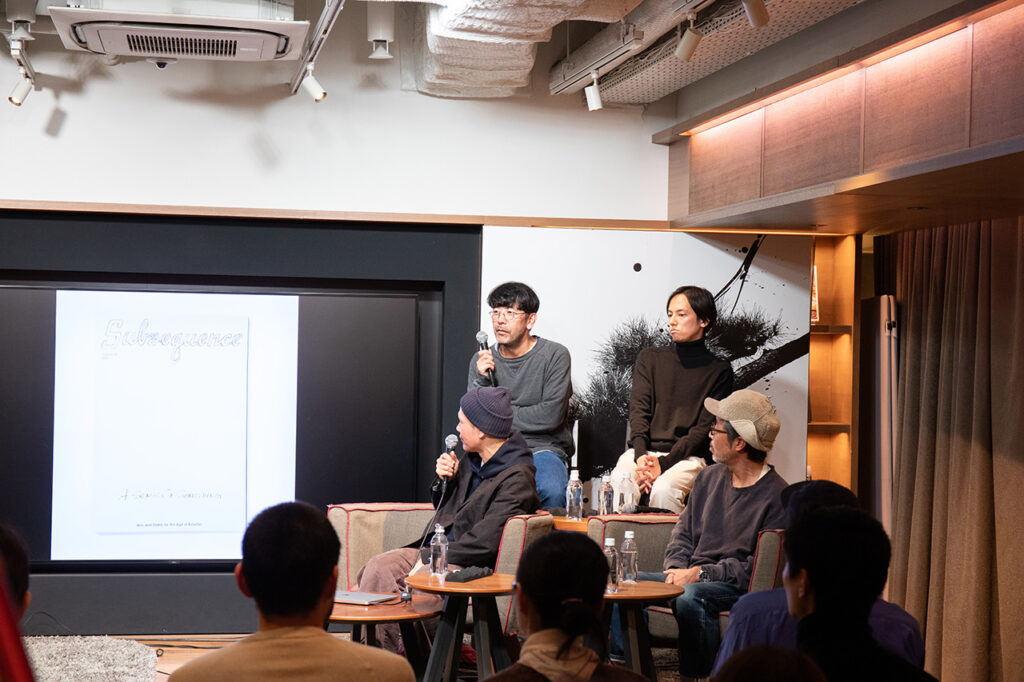
Ide: How about you, Mr. Niki? I feel like designing a magazine is rather difficult without sharing concepts, but how did you feel? You worked on book covers before but had never designed a magazine, right?
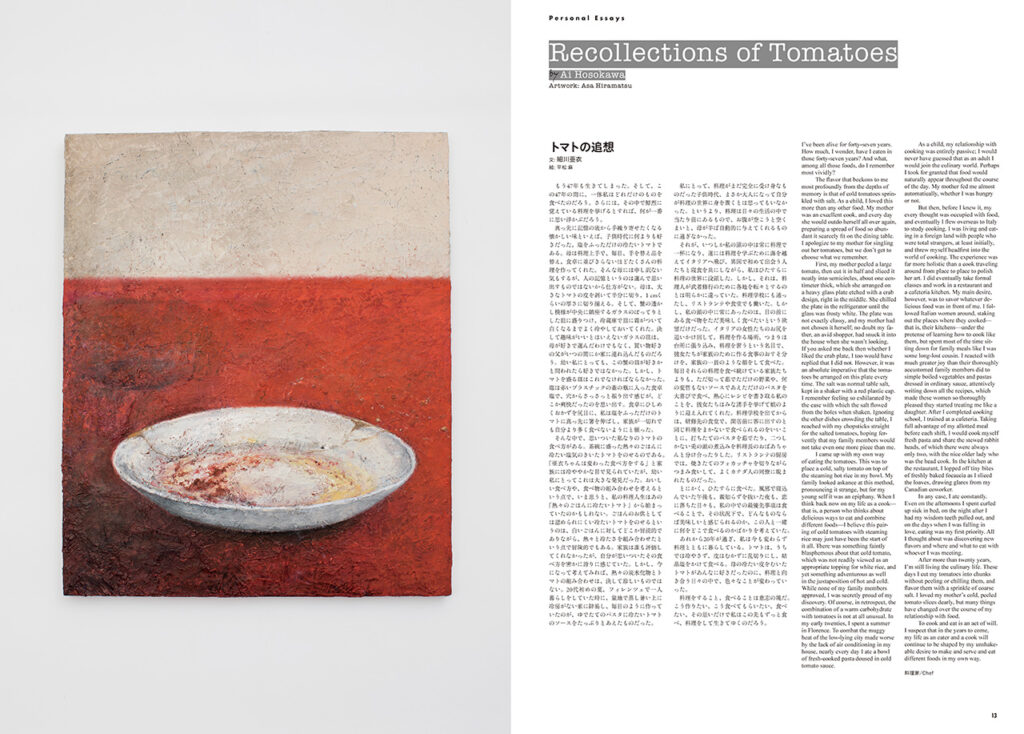
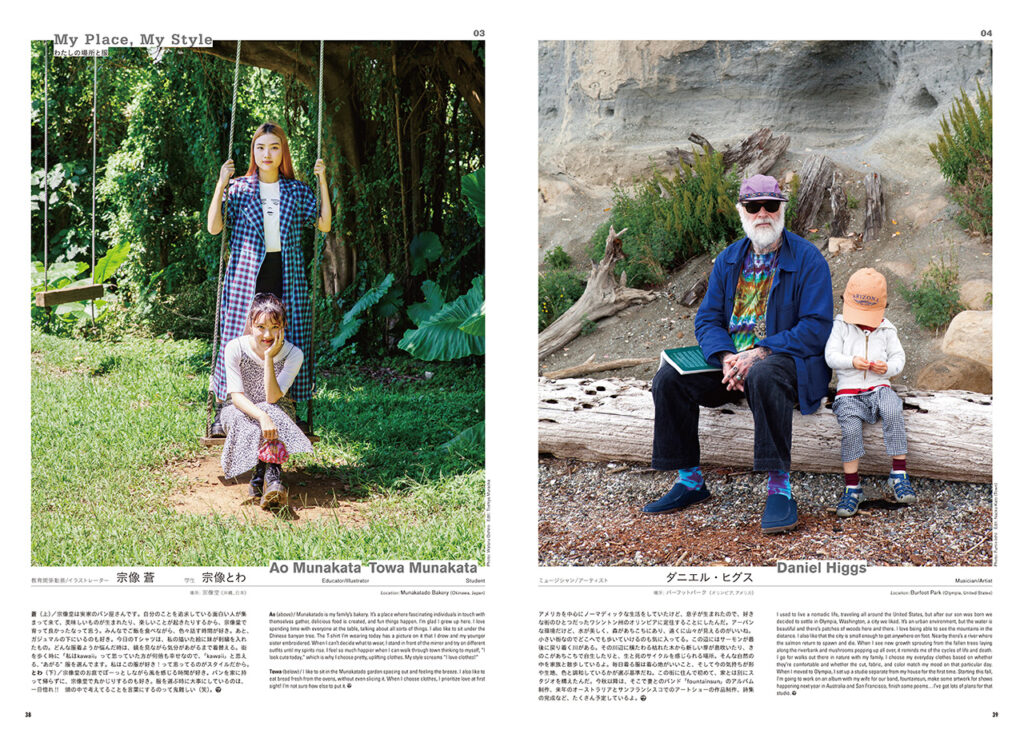
Niki: That’s right. I worked at a publisher before and so, naturally, I’d never worked on something as physically large as Subsequence before. I enjoyed doing the color editing. When I first talked to you, Mr. Ide, I feel like you said something to the effect that we would be working on a culture magazine. I wondered what exactly a “culture magazine” was and realised that when we were younger, we relied on magazines as a source of information. We used magazines to find out what had value, what was good or bad, and discover new things we might not even like, from culture and beyond. And so, I felt that I thought that the magazine that Ide was talking about had a lot of non-tangible elements. I’m not sure if I believe in the “good old days”, but Subsequence has a certain flair from an older generation of magazines. There’s a feature called “My Place, My Style” which introduces people. Those who are featured, however, aren’t famous or anything and I often think, “Who on earth is this?” I think that the magazine works like the old magazines I spoke of by showing the reader a new, good discovery. It goes without saying that I don’t mind not knowing the concept of the magazine and I wouldn’t say it’s “vague”, but I felt that it wasn’t something anyone on the team had necessarily fixed down either.
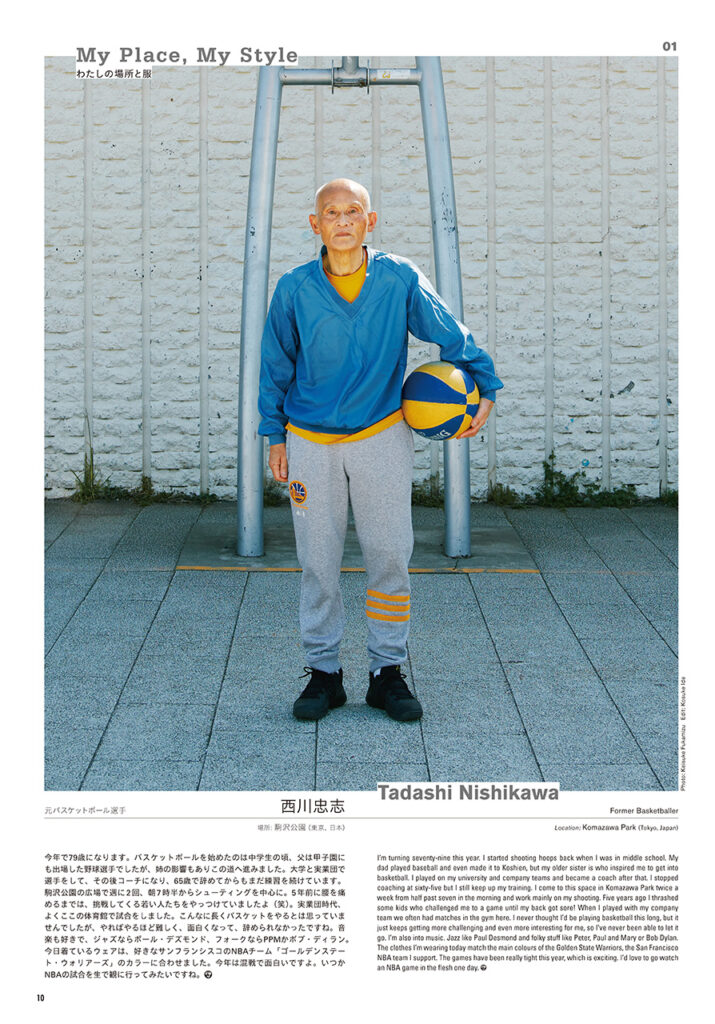
Miyamoto: I thought the same when “My Place, My Style” featured an older man who was practicing basketball in Komazawa Park. Then there were those two middle-aged men who were flying model planes they made themselves in the same park…
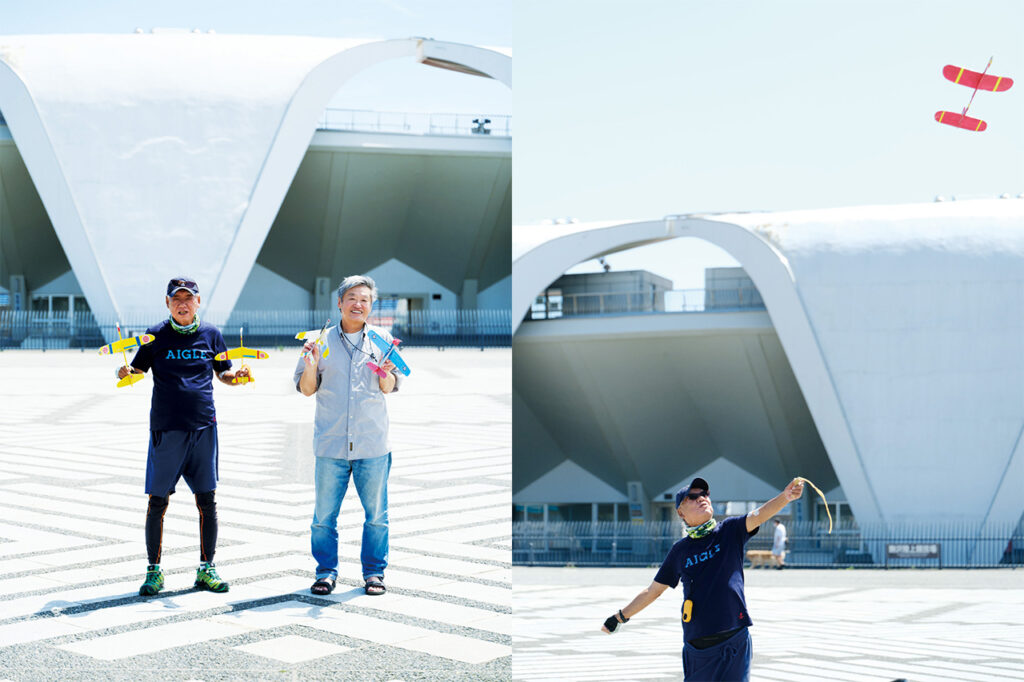
Ide: All those people had been introduced to me by Shunsuke Furuhata from Cubism, producer of Subsequence, who has been working with me creating things. He lives near Komazawa Park and passes through it every day. When he told me, “There’s this really cool old guy who practices free throws with a basketball on his own,” I decided we should interview him.
Miyamoto: People don’t usually interview regular people like that. It’s one of my favorite parts of the magazine and very “Subsequence.” I often go on walks around there and so I really regretted the possibility that I had seen but not acknowledged him. I doubt many people would notice things like that, something that no one else knows about, let alone think to put it in a magazine. I feel like that way of looking at things runs throughout the entirety of the magazine.
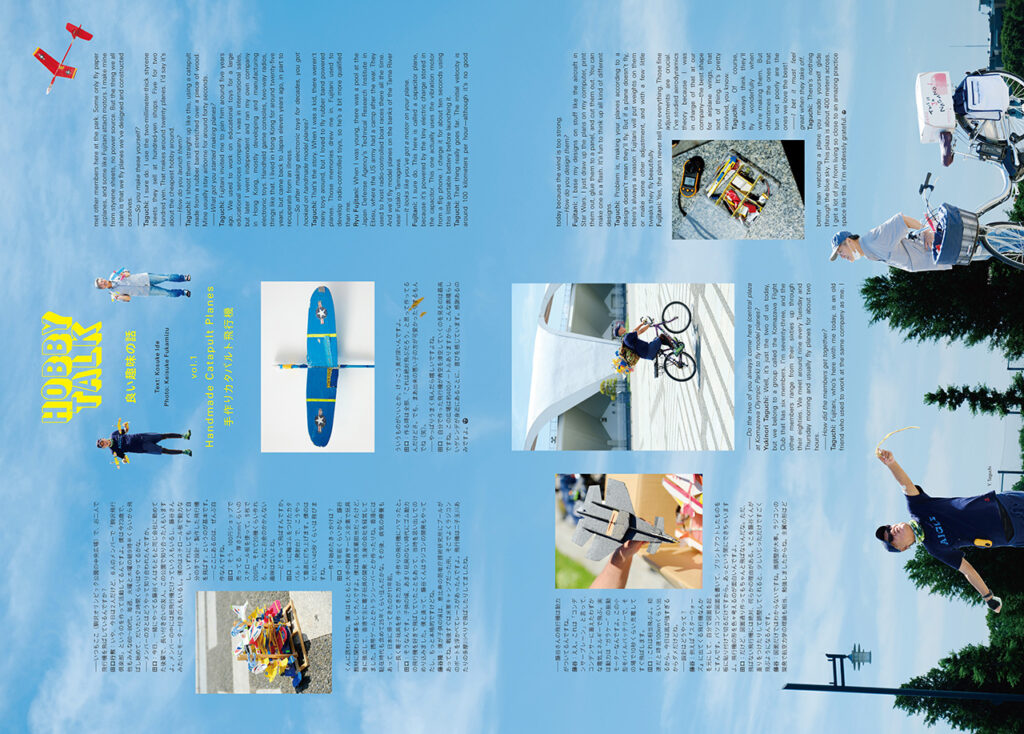
Fukamizu: Both the man playing basketball and the two men playing with their model airplanes are far older than me, yet can enjoy something with such pure joy. Seeing them makes me think that I should reevaluate how I’m living my own life. Personally, I feel like that this is close to what Subsequence stands for and that this might be in line with what Mr. Ide is thinking. Everyone has their own way of enjoying things, their own things that they hugely value, and I feel like it is a truly interesting enterprise to interview them and commit their words to paper.
Ide: They are people that we just happened to stumble upon. Our style isn’t sifting through tons of material and selecting the best of the lot, instead, Mr. Furuhata happens to meet people and thinks that they would be worth interviewing. I would like to represent happy coincidences like these more on the page. In general, many magazines often share the newest or best things in the world, but I feel like we should be able to share the things you might see and find refreshing or incredible. In my eyes, magazines are a way of sharing with my close friends those moments where you’re like, “Yesterday I saw this interesting movie” or “I went to this amazing place the other day.” I really like hearing those kinds of stories from them too. Mr. Furuhata telling me, “I saw this interesting old guy at Komazawa Park,” was a great example of that. These episodes might happen by chance, but they become hugely precious when people you trust or like tell you that they like those stories. When you’re making friends too, it’s not like you audition the best out of a huge number of potential candidates. You make friends with someone you might be sitting next to or who was in the same club or workplace as you—your time is shared with others through coincidental happenings like these and your relationships eventually grow into something precious. This idea of chance is hugely important to me. I am aware that the two men who were playing with their model airplanes weren’t necessarily the best at something, but I want to build a relationship with our readers by showing them something we found interesting, like we would a friend, and hoping they find it interesting too.
Miyamoto: Yes, I noticed that you can spend three or four hours just asking and chatting about interesting stuff that happened, Mr. Ide. Despite how busy you are, we end up chatting for half a day. But in those conversations there isn’t any nuance of asking about what might be trending, rather, you ask what we’ve been up to. It’s as if that aspect of you has been recreated on the page. It feels like I’ve solved a mystery about Subsequence.
Ide: Yes, in that regard, we’re like a self-published magazine. We would be a failure as a commercial magazine.
Continue to Part.2
Event
Talk Event @Daikanyama Tsutaya Books – Part 2
2026.05.26
Event
Dialogue with Raphaël Zarka : From Paris to Kyoto: In Search of Geometric Forms
2026.04.03
Event
Subsequence vol.8 Commemorative Talk Show Event@Tsutaya Books Daikanyama
2025.12.16
Event
Subsequence Salon
vol.5
Exhibition “Capturing the Moment: 20th Century Japanese Magazine Library”
December 13th (Sat) ~ 21st (Sun), 2025
2025.12.15
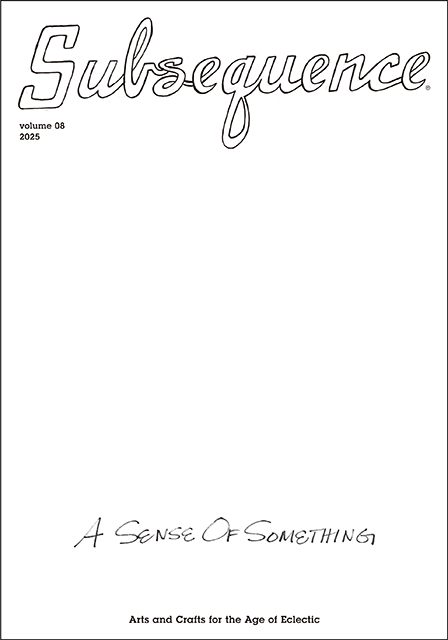
volume 08
2025-1st
Bilingual Japanese and English
260 × 372mm 148P
Release date: December 13, 2025