Event
Talk Event @Daikanyama Tsutaya Books – Part 1
2026.05.20

Event
2026.05.26
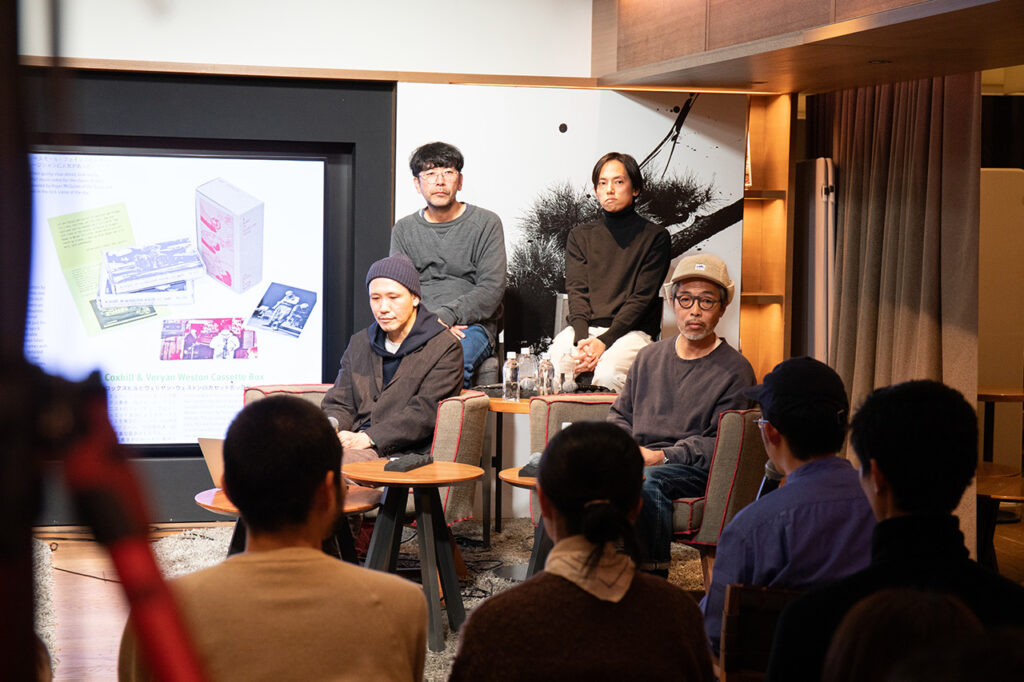
Miyamoto: I imagine that you don’t have editorial meetings, do you?
Ide: We do not. In that respect though, as you cannot make a magazine alone, it feels almost like we’re a band. I loved music when I was a student and so was in a band, however, there are bands where they gather the best studio musicians so that they can perform specific songs. Making music in this way, they would decide that because so-and-so song was rock and roll, they should get a drummer and guitarist who are good at the genre to perform the song. Compared to that, bands are usually based around the same core members. Even if the bassist wasn’t good at rock and roll, you wouldn’t have any other option but to perform with them. I prefer this type of band and always thought that it didn’t matter if we weren’t very good, I wanted to make the type of music only we could make. Instead of focusing on being talented or not, I wanted to make music with the people I liked and see what we could come up with. That’s why I don’t see the necessity of such meetings.
Miyamoto: What do you do about discussions regarding the layout? For POPEYE, when the interviews are done, the editor sketches up a rough layout of the page and hands it to the designer and gives their ideas like, “I’d like a photograph of around this size” or “I’ve got an idea of how many words I want to include.” However, looking at Subsequence, I can’t imagine you doing this process. I’m really curious.
Ide: I think we have quite a unique way of working. Just as Ken explained, Magazine House, for example, do a process where they format the page in advance. So, the designer designs the page in line with the editor’s rough layout, and the page data is completed in two or three days.
Miyamoto: Right. And in line with a word count, the writer then creates their manuscript. That is how things work when the format is decided in advance.
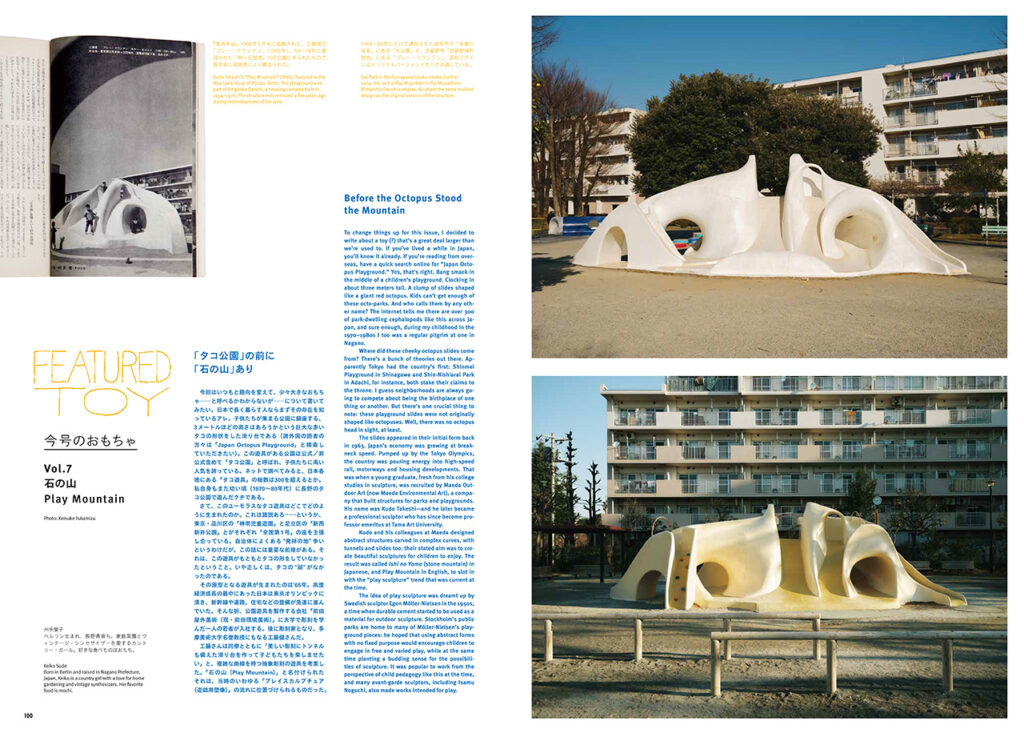
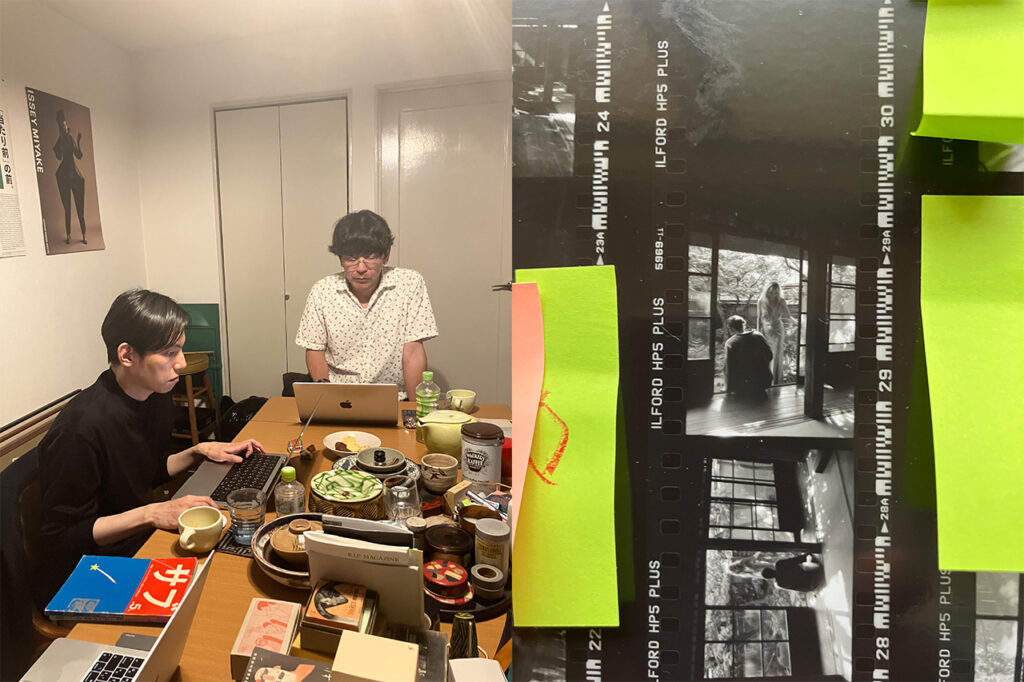
Ide: I agree that this method has its own logic to it. However, I think that it is difficult for a designer to design the page layout when they don’t really know the contents of the article. The designer wouldn’t know whether to swap out a photograph for another or not. Without the editor nearby, they can only rely on their instinct. Because of that, in my eyes, I want the editor to talk with the designer about their reporting, about what they saw, about what happened, over tea. Until Mr. Tanoue joined us during vol.7, Mr. Niki and I did the layout together for pretty much every page.
Miyamoto: What does this process involve?
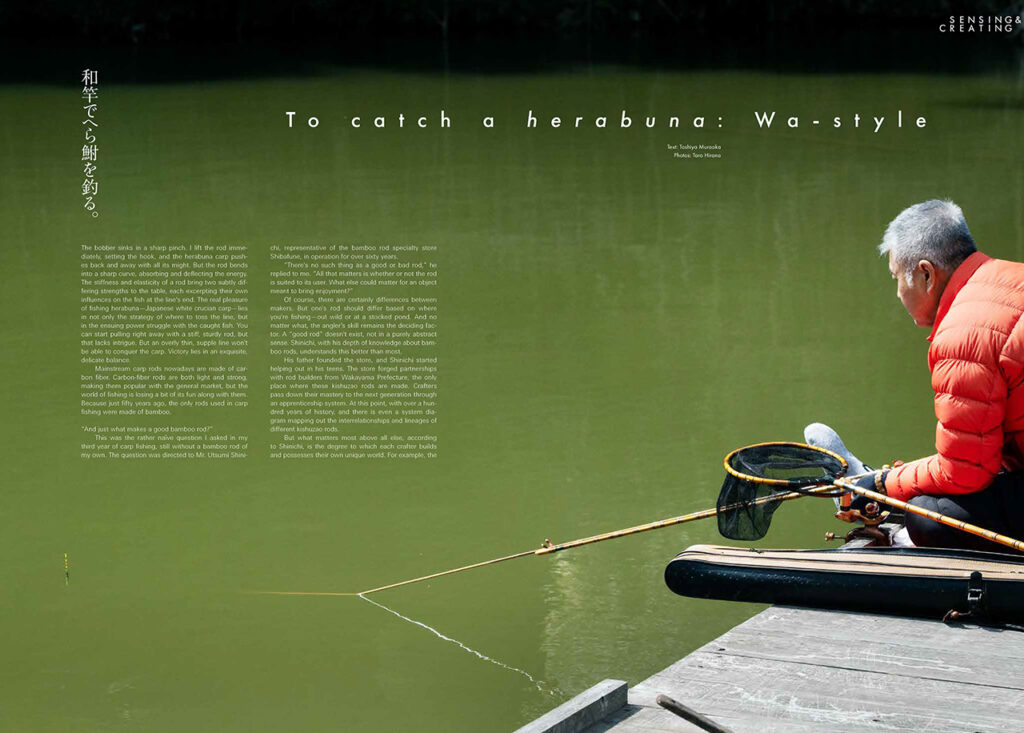
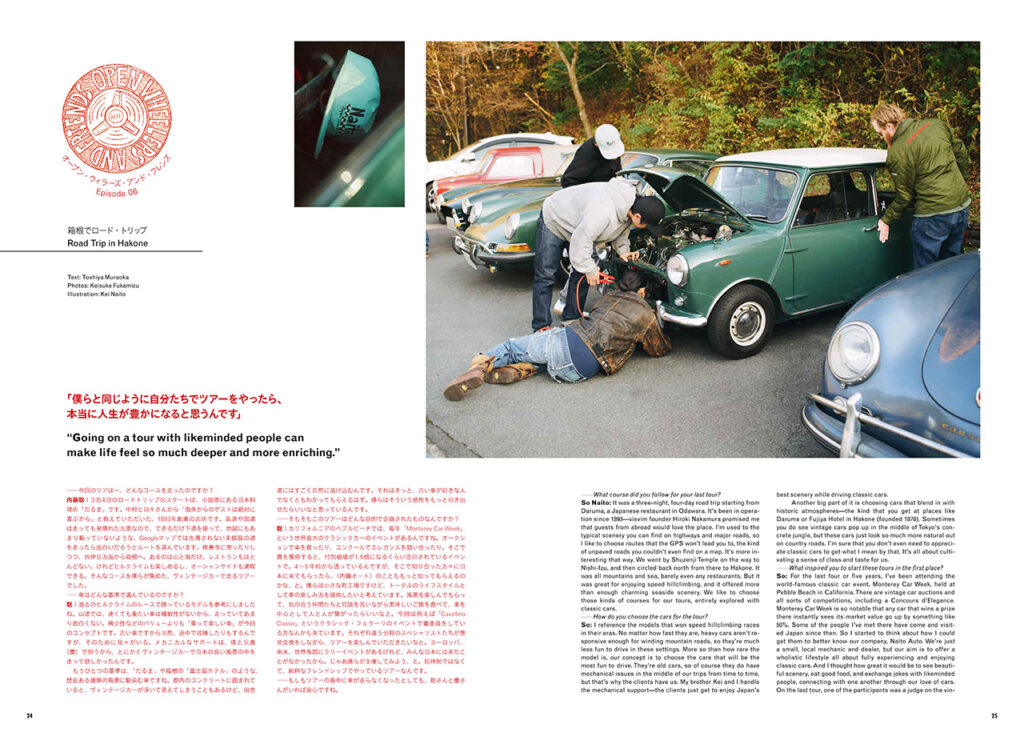
Niki: We sit together, in person. First, Mr. Fukamizu’s photos arrive and Mr. Ide and I go through them like a movie. There are times when there are so many photos, but we look through them and gradually understand the atmosphere. We don’t really have any particular rules, but as we line up the photos the image that we’re trying to create comes to us. At this stage we don’t have the manuscript yet, so our image might be completely different when it does arrive, but it is refreshing beginning things in this way.
Ide: We sit side by side and stare at the same screen together as we work. We discuss about how to change the flow of the page, about what photos to swap, about making the size of the heading smaller -we chat about everything as we make each page together.
Miyamoto: That sounds like it must take forever.
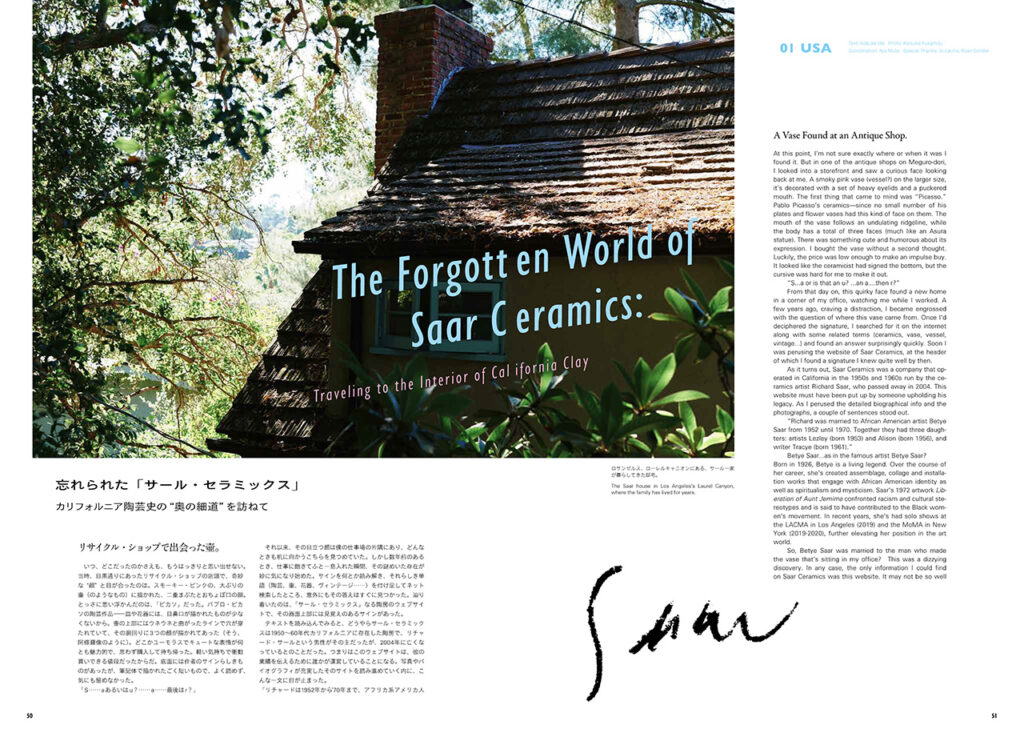
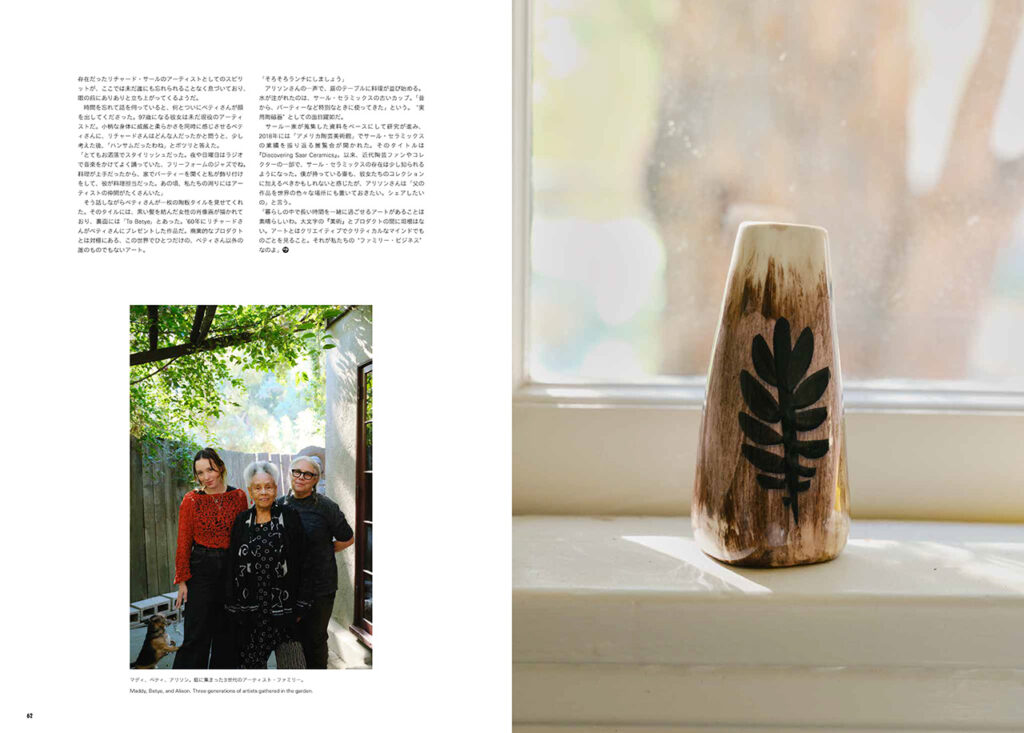
Niki: I’m not sure if it does take longer or not. We work on the layout together so there’s not much “homework” to do after going home. Of course it’s a designer’s job to make small changes, but there isn’t any big layout work to do. Of course, if the manuscript has a completely different flow to it, then we’ll have to start again, but I would say that our work is usually finished on the spot.
Miyamoto: It does sound rather unique, yes.
Ide: I’d agree. I think that most designers would get annoyed if the editor sat next to them saying “do this, do that.” But for us, Mr. Niki arrives in the morning, sometimes with Mr. Tanoue, and we first have a cup of tea and some snacks as we chat.
Miyamoto: I can imagine it. I bet two hours pass by just like that (laughs).
Ide: Exactly. And then we finally say, “Shall we get to it then?”
Miyamoto: How is it being part of the team, Mr. Tanoue?
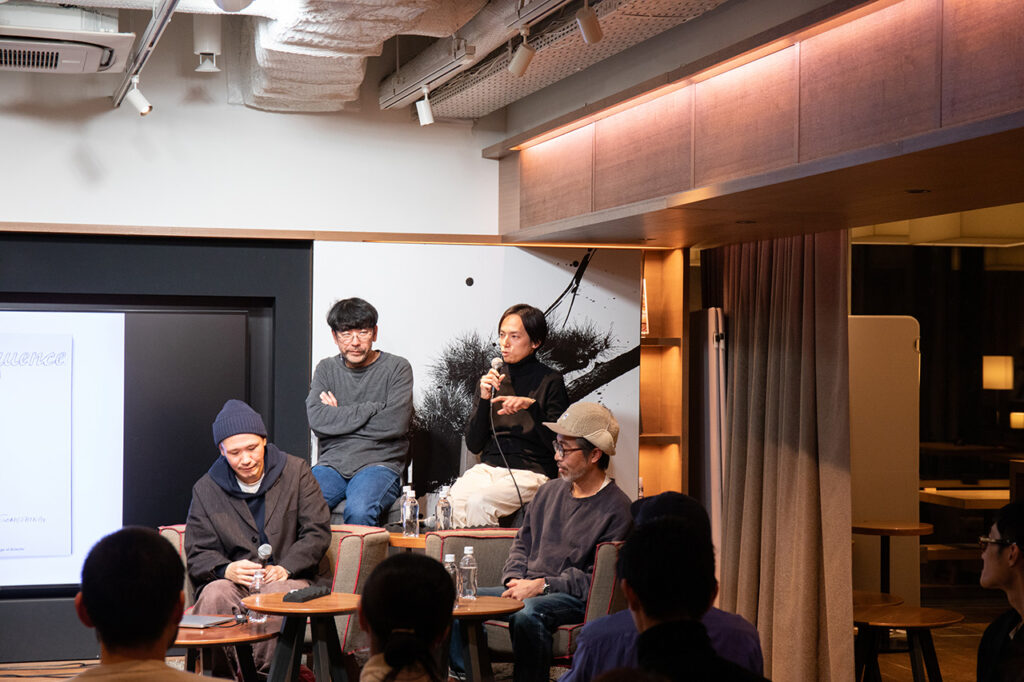
Tanoue: As was just said, in usual workflows, the designer usually receives the rough draft of the page and designs the page on their own without anyone else watching, with the layout sometimes just springing to mind. However, when I heard from Mr. Niki that at Subsequence this process is done in tandem with the editor, I was a little bit nervous.
Ide: And how did you find doing it in reality?
Tanoue: At first, I was just feeling my way along. I’m sure Ide felt the same way, but when he gave a suggestion and I put those suggestions into practice on the screen in real time, the work was tough going. I think I struggled with trying to make Mr. Niki’s own established Subsequence vibe my own while also listening to Mr. Ide’s stories and implementing his suggestions. This is now my second issue and I feel like I’m a lot more used to the process now.
Miyamoto: Mr. Ide, did you want to establish this way of working beforehand?
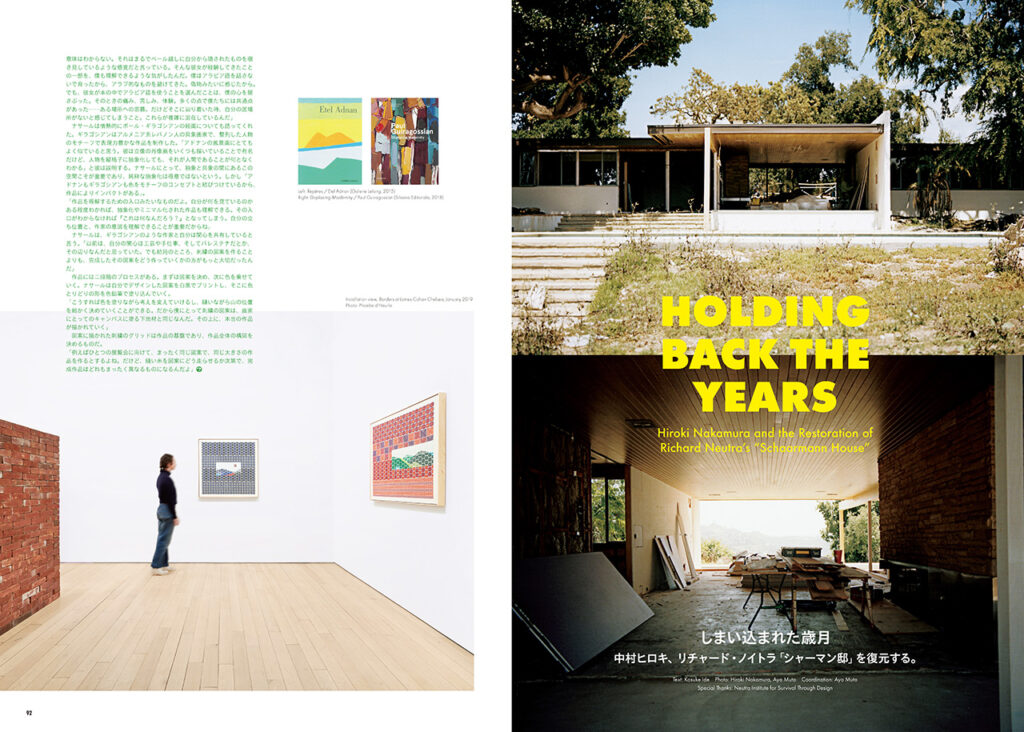
Ide: Hmm, I did want to create a magazine where communication between staff members was a lot more intimate. For example, in 1976 when POPEYE just started, there were a lot of people in the editing department. An editor might say, “Hey, I want to include the heading here, so think of how to do it,” but then the writer would think up a number of possible suggestions, only for the editor in chief to see it and say, “This is no good, do it again.” I read about how the magazine was made on the spot like that and heard stories from a senior editor friend who was a part of the team at that time. I thought that if we could make a magazine like that, then we could create something that represented more of the feelings of everyone who worked on it. In reality, by integrating even a little bit of this practice can make the page look better by a significant margin. You can discuss even the most minor things and come up with loads of ideas you wouldn’t come up with on your own. I’ve definitely felt the benefit in doing it.
Miyamoto: So you spend many days together working on the layout?
Ide: Yes, we do it all together. We usually meet twice a week and it takes a few months to finish.
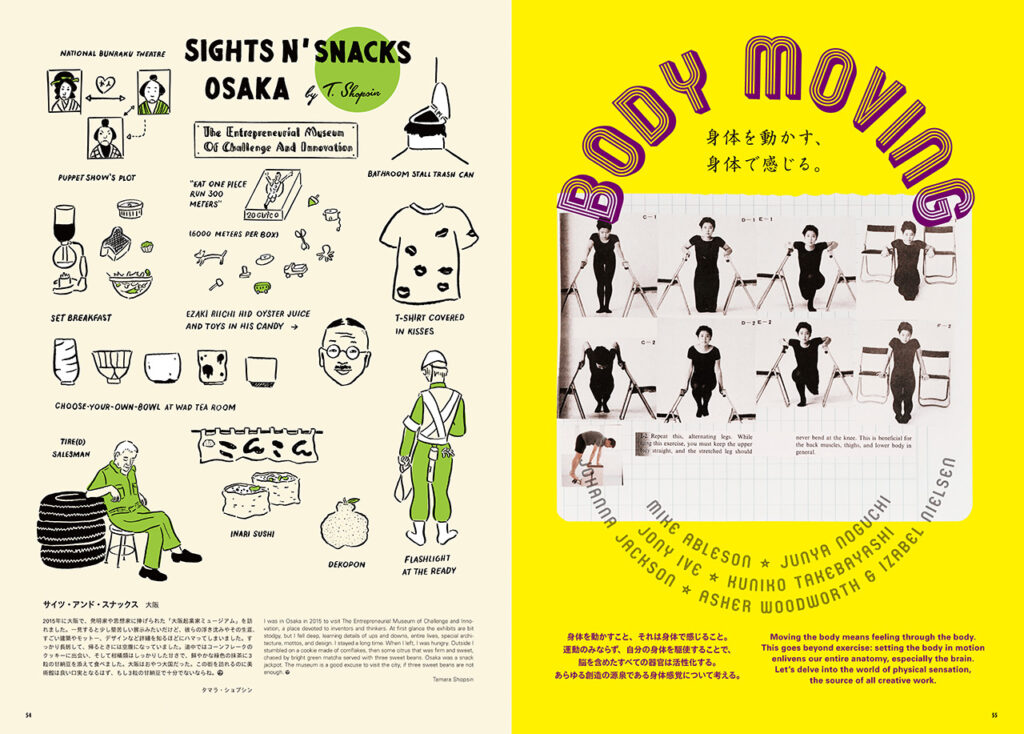
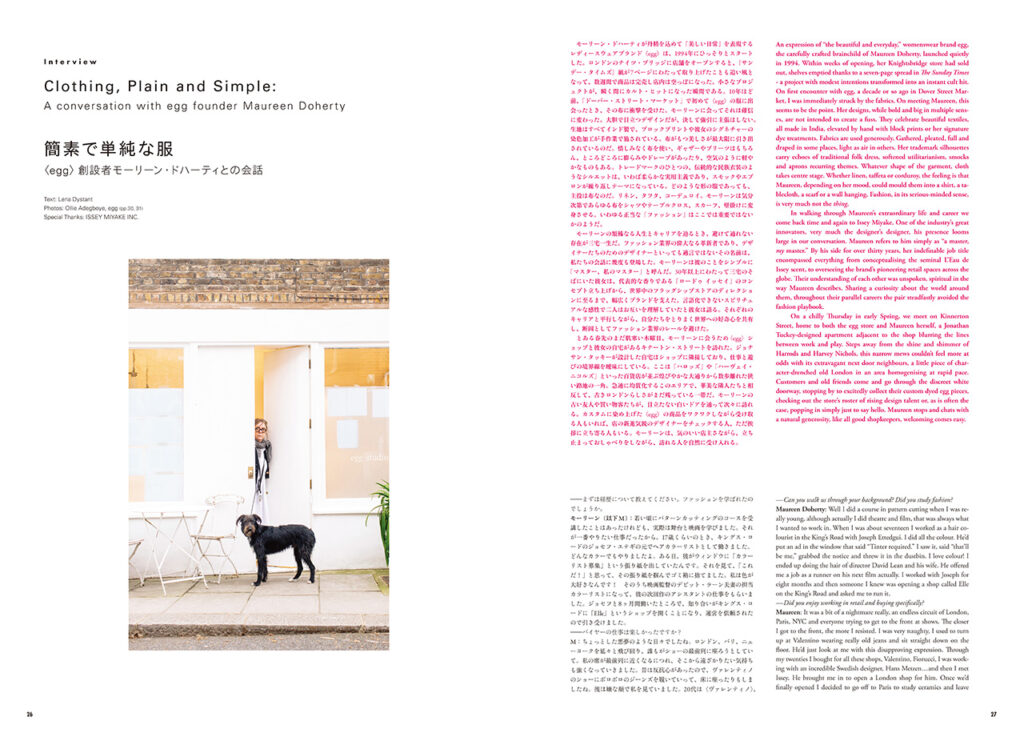
Miyamoto: That’s incredible. I suppose that’s the reason why, as Mr. Fukamizu said at the beginning, it’s enjoyable to open any page. With POPEYE, of course this is partly because I worked on the magazine, but I feel that I can predict what might be written on a certain page. However, with Subsequence, while I don’t necessary flick it open based on how I’m feeling that day, I feel like I could open it on any page and enjoy what I’m reading despite not knowing what I’m getting myself into. It’s almost as if the magazine doesn’t expect you to read it from the first page. I personally felt like there was a flow that you could sense no matter what page you opened so that you could read it from any page.
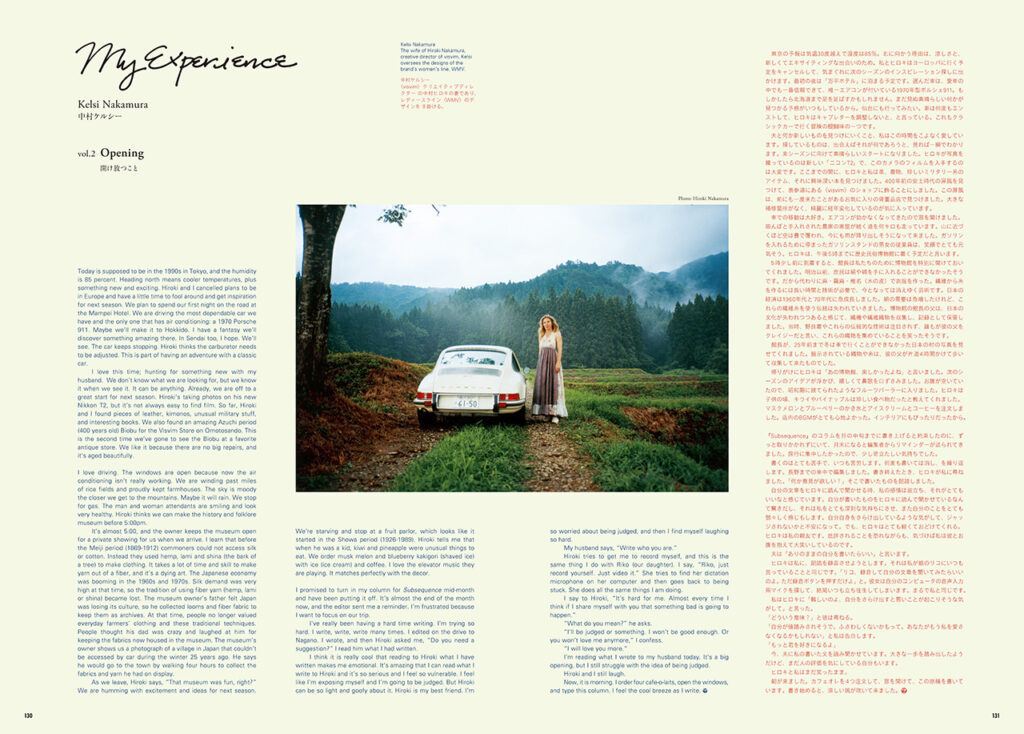
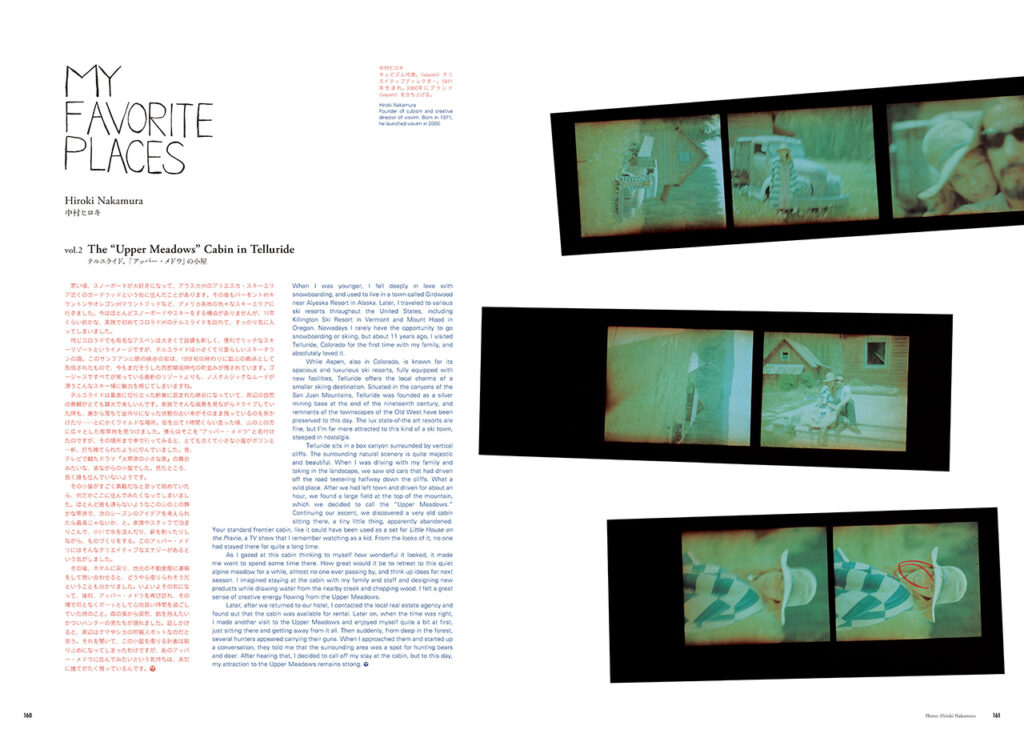
Ide: But I don’t plan things as much as that. I’m like, “Look what happened” (laughs) and hit at the creation process with enthusiasm. I don’t really plan out the flow in that way. As I said earlier, everyone works on a magazine together and so it fundamentally doesn’t go completely how one person wants it to. That’s something I love about magazines. You can create something with the aid of many different people that exceeds your expectations and the reverse can happen to when you think that things aren’t going well. But I take the attitude of not minding that. I try to hold the attitude of not expecting things to be perfect every single time. It’s more of an organic process to take all of this on. Most of those involved in the production are people I’ve had a long relationship with so I like creating little bits and pieces with them and finding out in the end we made something together. I try not to say “This is the sort of issue we’ll be making” at the start of the process. I suppose that might be part of the reason why the reader can feel relaxed when reading.
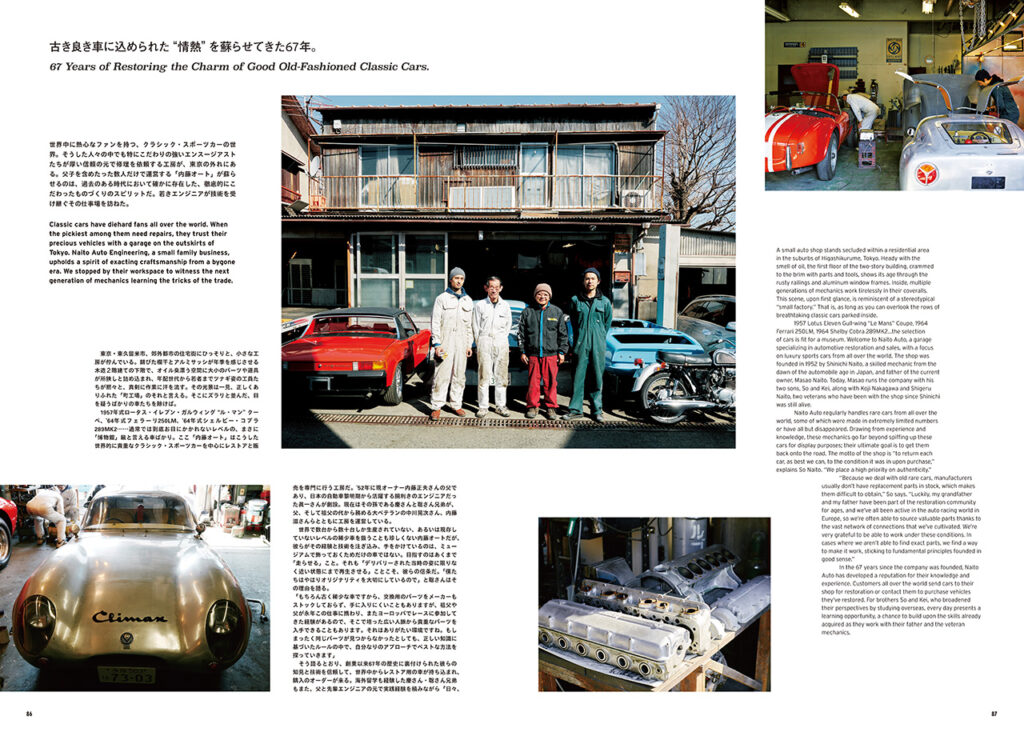
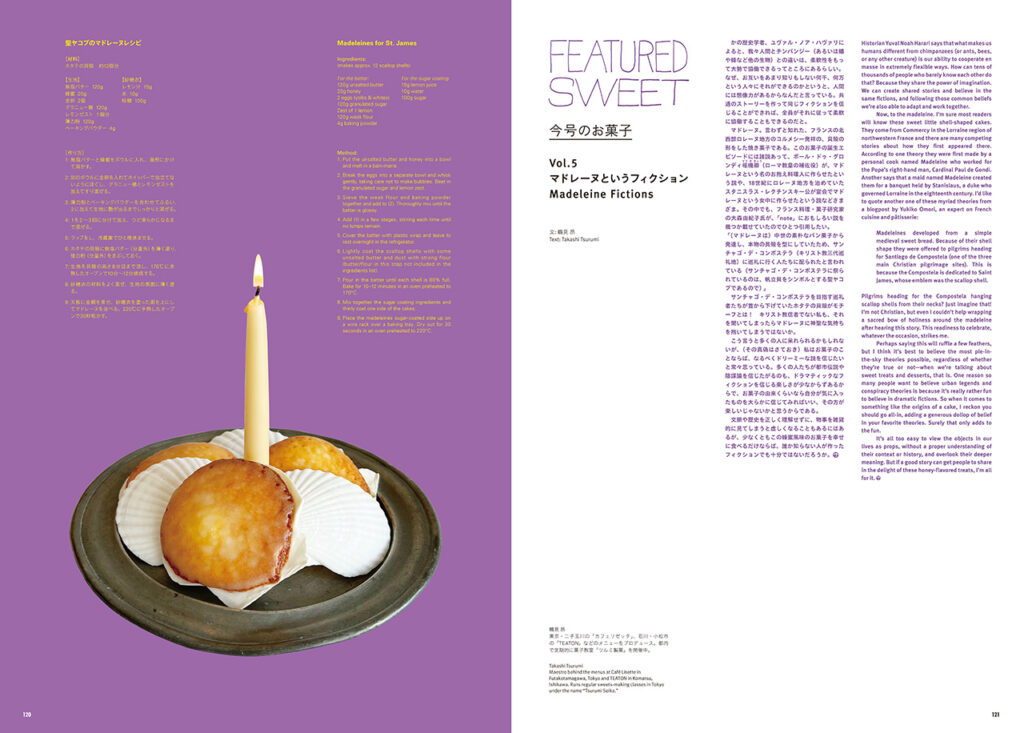
Miyamoto: I see. I also was thinking about how fascinating it is that your way of seeing things can change depending on your mood when you’re reading. The magazine seems to not be forcing any kind of message on you, rather preferring you to read freely and enjoyably. Sometimes it’s so free that I’m not sure how I should be reading it. I wonder how these pages made it into the final product.
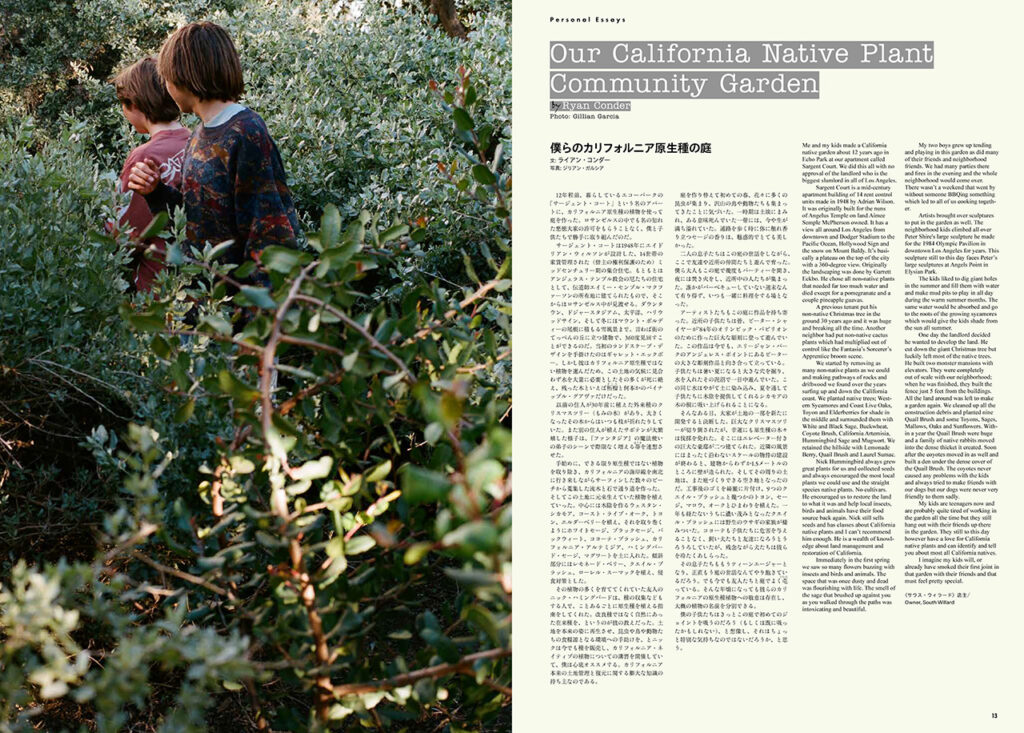
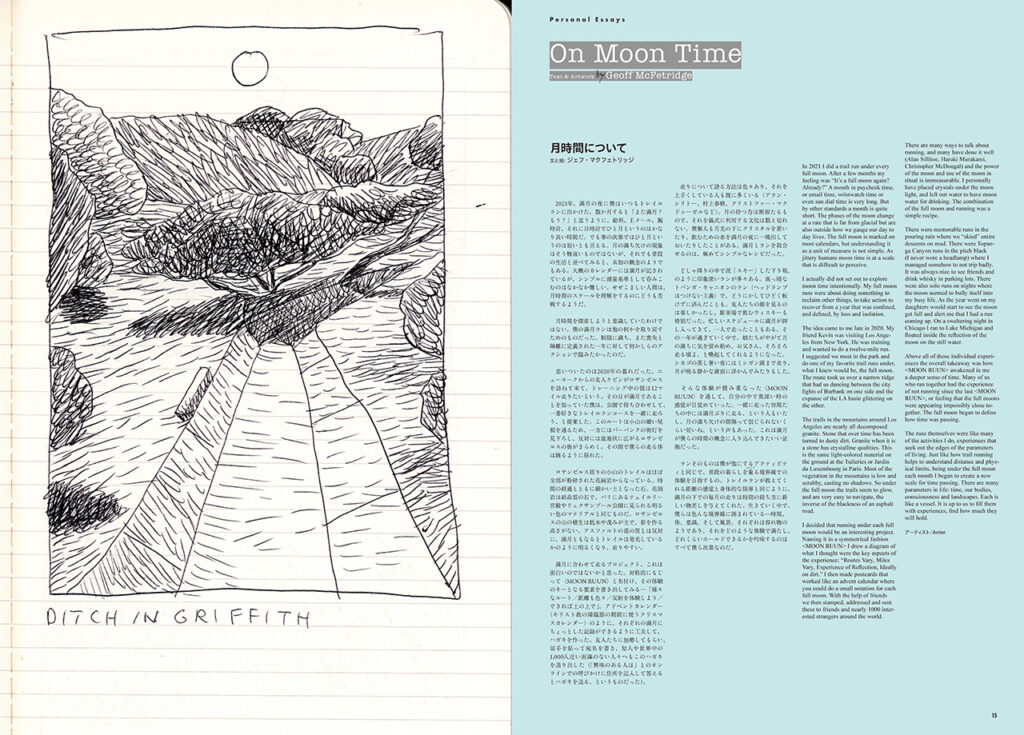
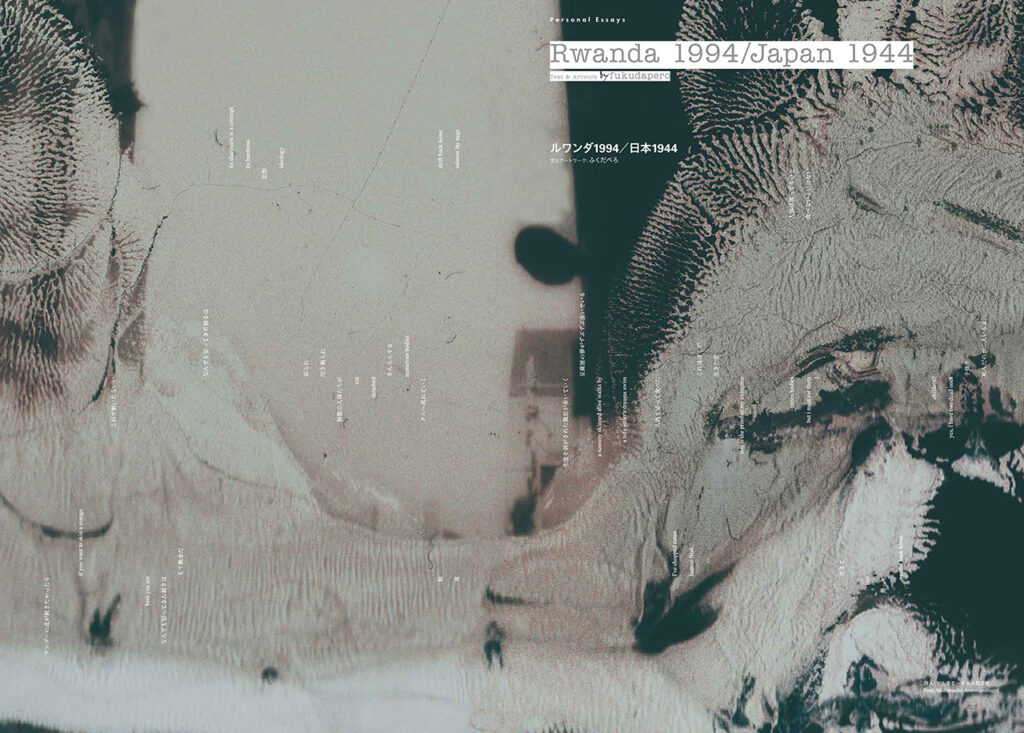
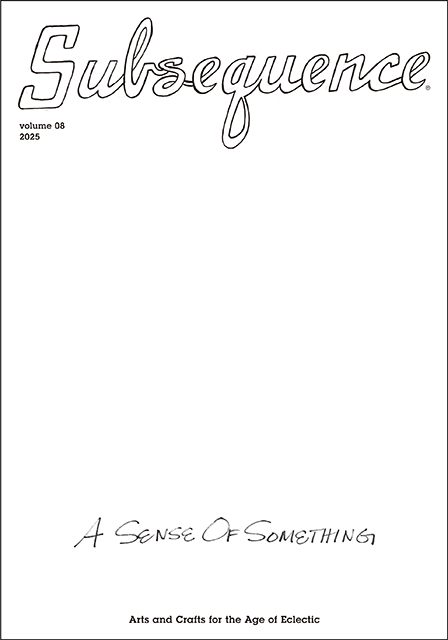
Ide: A mystery (laughs). Choosing to not over explain things was something we were aiming for. For example, “Personal Essay” is a feature that we have in each volume where we get various people to write an essay for us. However, we don’t have a column for the writer bios—we just have a single sentence down in a little section at the bottom-right of the page. Magazines usually include a writer’s profile. This is a kind thing to do, but I like the experience of reading something without any sort of preconceptions. You can learn about the writer by reading their words. Of course, nowadays you can just search them online. But I wanted to leave the air of mystery in my own way. It’s a type of blank space. As Mr. Niki mentioned earlier, in the past, magazines were full of things you didn’t know. You could make discoveries and imagine things, and this was something that I really liked. I wanted to continue to value this type of blank space. Although we have chosen to go with a blank cover for vol.8, the covers of the previous volumes had featured objects chosen by Mr. Hiroki Nakamura without any sort of explanation. I suppose many of our readers must have wondered what exactly those items were.
Miyamoto: They can imagine for themselves.
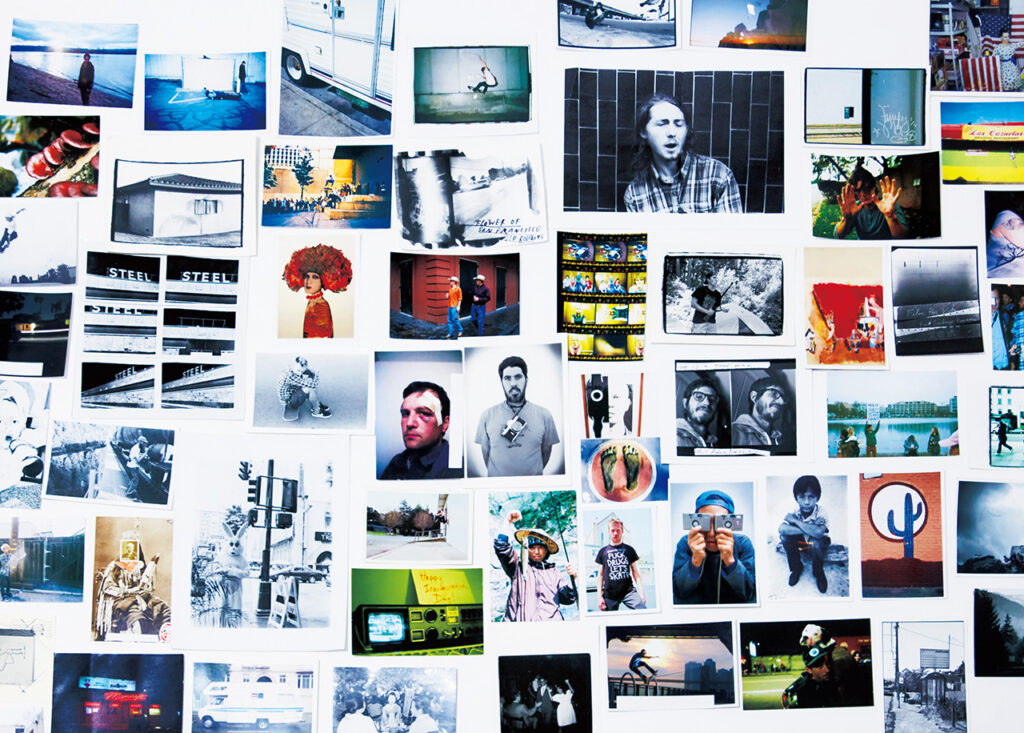
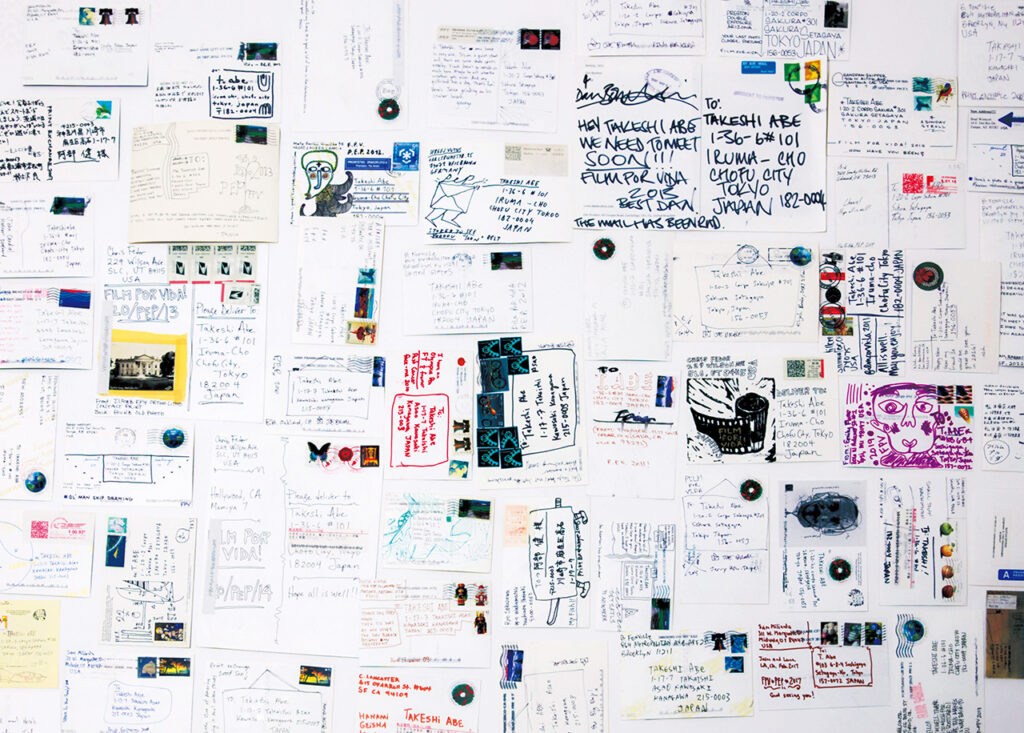
Ide: We leave the space for the reader to imagine for themselves what meaning there might be. Returning to the conversation about themes from the start, we decided on the theme “A Sense of Something” for vol.8. When we commission our writers for essays, we let them know that this is the issue’s theme. However, what they do with this information is up to them—some people choose to ignore the theme and some choose to follow it closely. But at the end of the day, these words remain in their hearts as they work. They all think for themselves what meaning those words might have. We don’t explain what the words behind the theme mean, so their thoughts are born from how the words affect them. As a result, the reader might think that the volume’s overall feeling is a bit vague. They might want a more concrete sort of atmosphere or scent to seep through all the pages of the magazine.
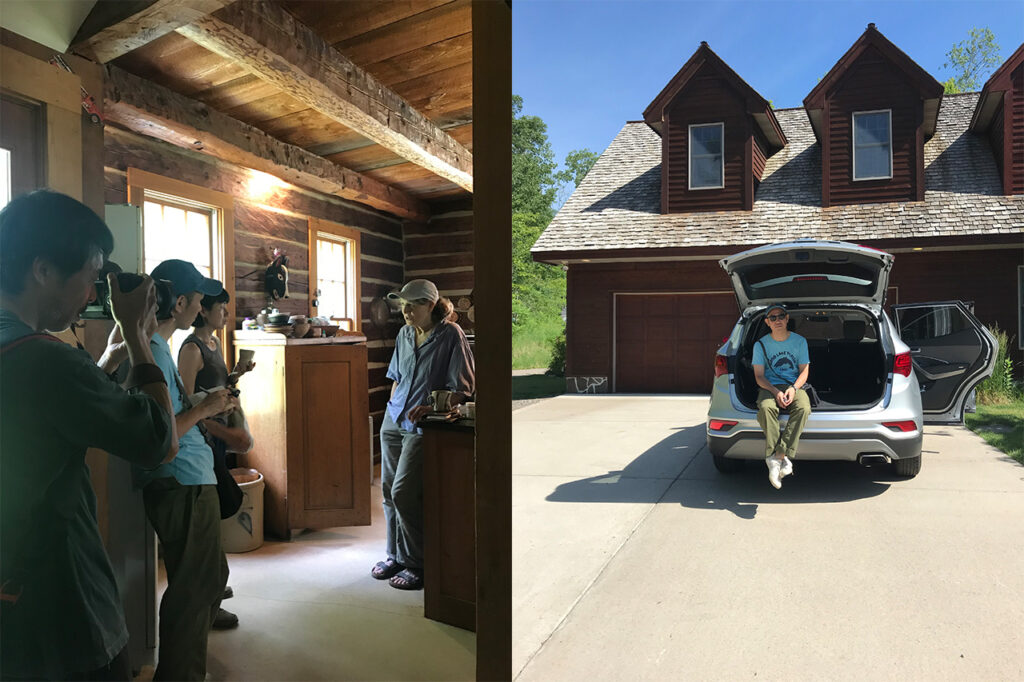
Fukamizu: Even when reporting, I don’t often get told in advance what I’ll be photographing that day. This happens even when we work abroad. I don’t know what I’ll be shooting, but I decide to go along for the ride.
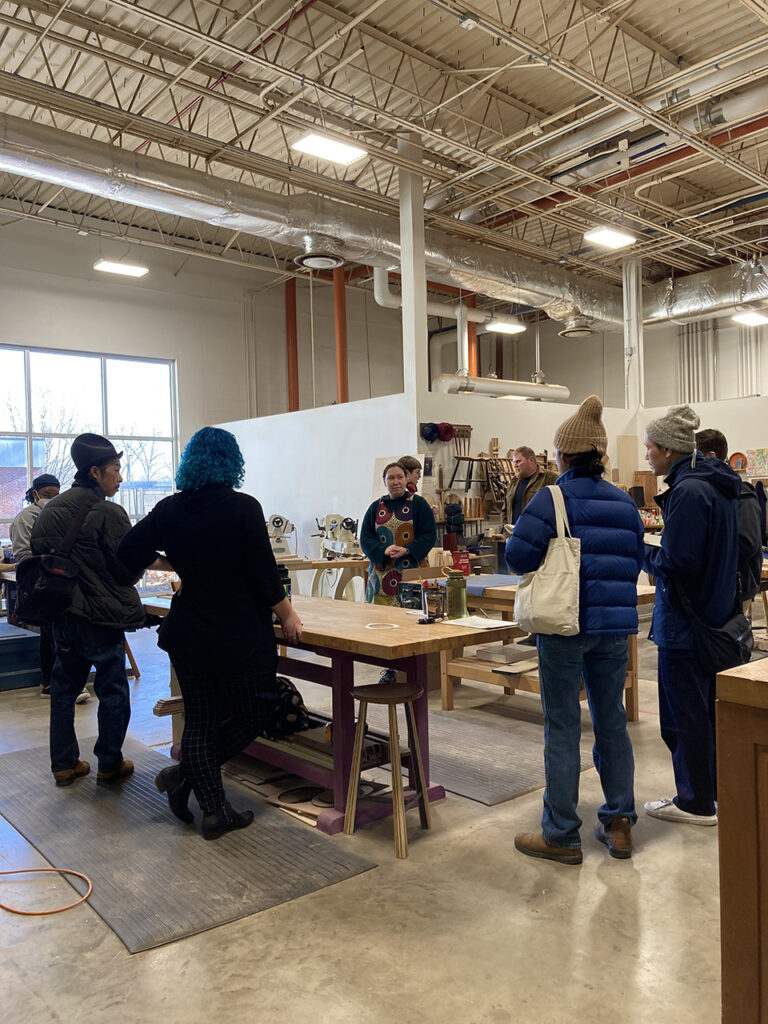
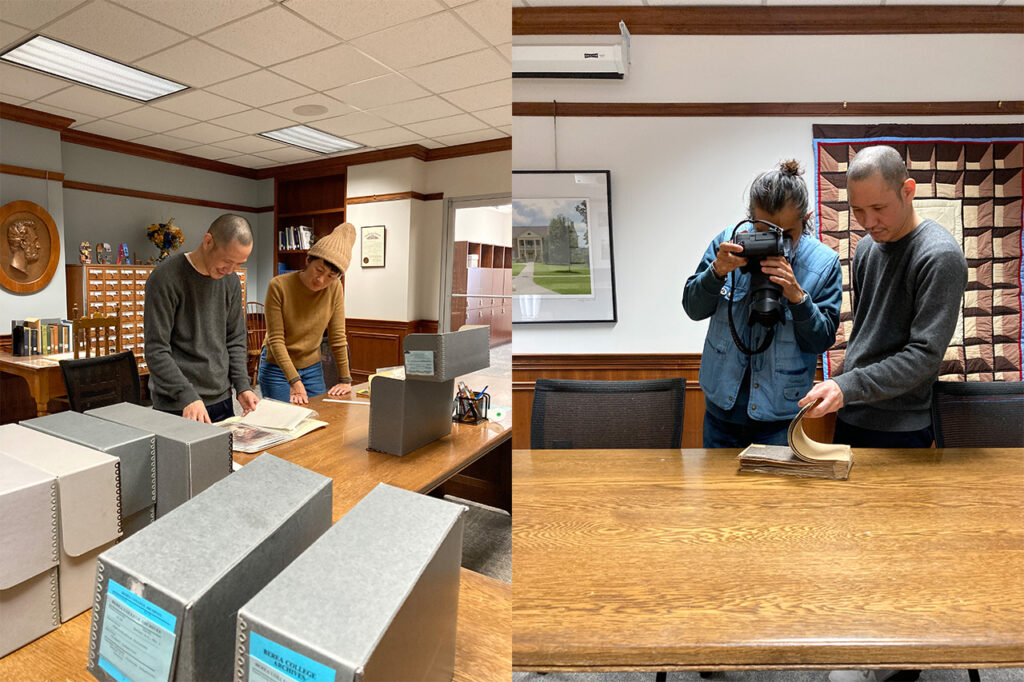
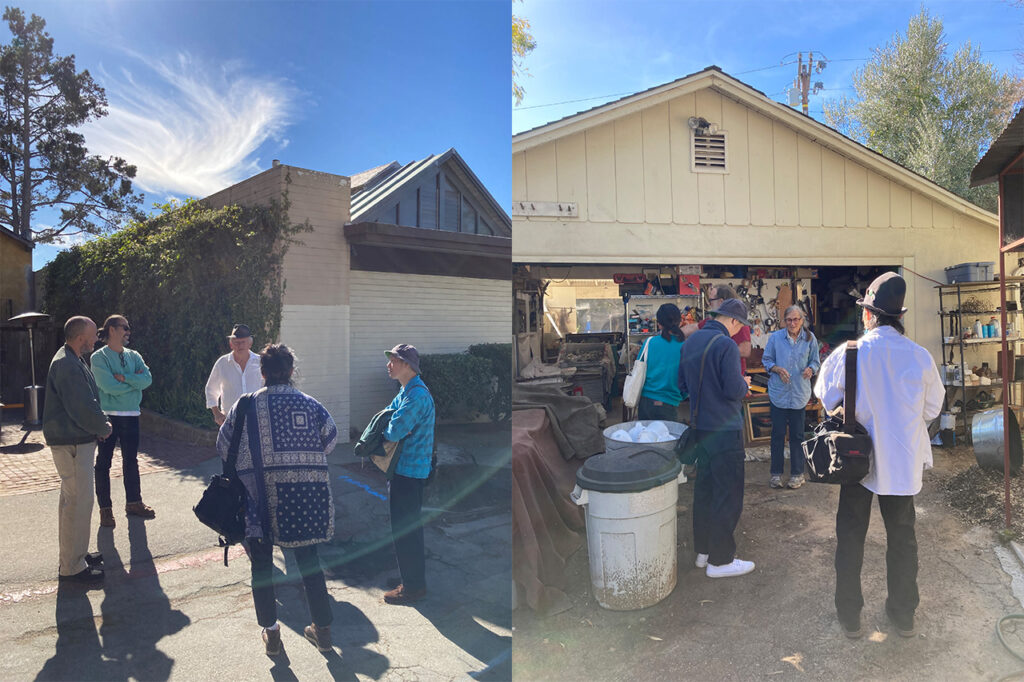
Ide: The explanation happens in the plane during the flight over (laughs). That’s why I view it like a band—what these people make is Subsequence. Our team remains the same, so it doesn’t matter what we make, whatever it is will be Subsequence. That feeling is strong. It might sound odd, but that’s why when I tell Mr. Fukamizu that he can take photos of whatever, I really don’t mind what he decides to snap. I don’t really try and force my opinions during our research trips, like take a picture of this or that.
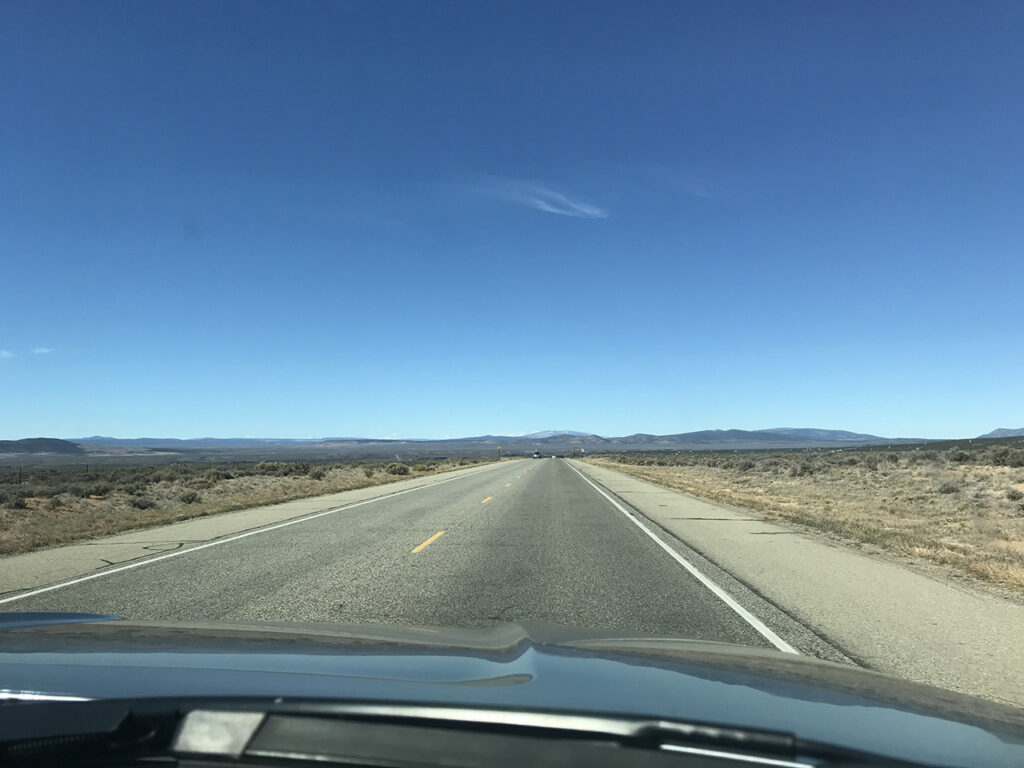
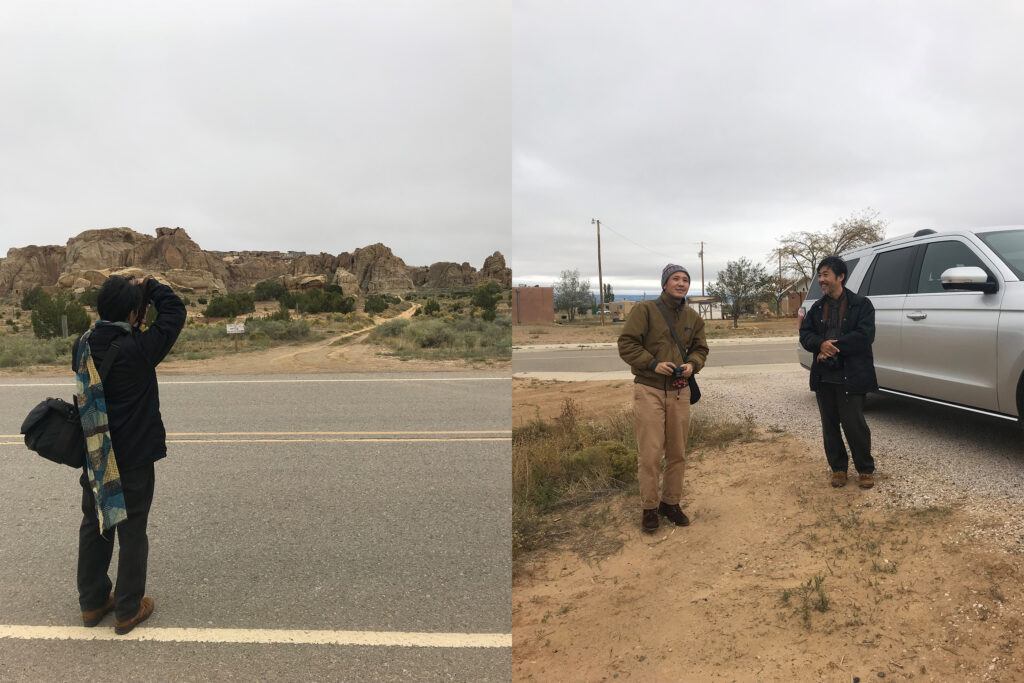
Fukamizu: I think it would be more accurate to say you’ve never said anything of the kind (laughs). I think each editor or each magazine has their own “color” and sometimes I get editors who ask me to shoot in portrait or landscape. However, when I’m with Mr. Ide, he doesn’t really ever ask to check my photos or ask what I’ve taken pictures of. In whatever interview I accompany him on, I just take whatever photos I want while he focuses on interviewing. So in that respect, I’ve never begun shooting on his command or anything. It’s as if we’re working separately but in tandem—one interviewing, one shooting photos.
Ide: Yes, that’s exactly it. Although sometimes I do ask you to take a photo to be used for title pages.
Miyamoto: Asking to take photos for a specific purpose isn’t all too uncommon.
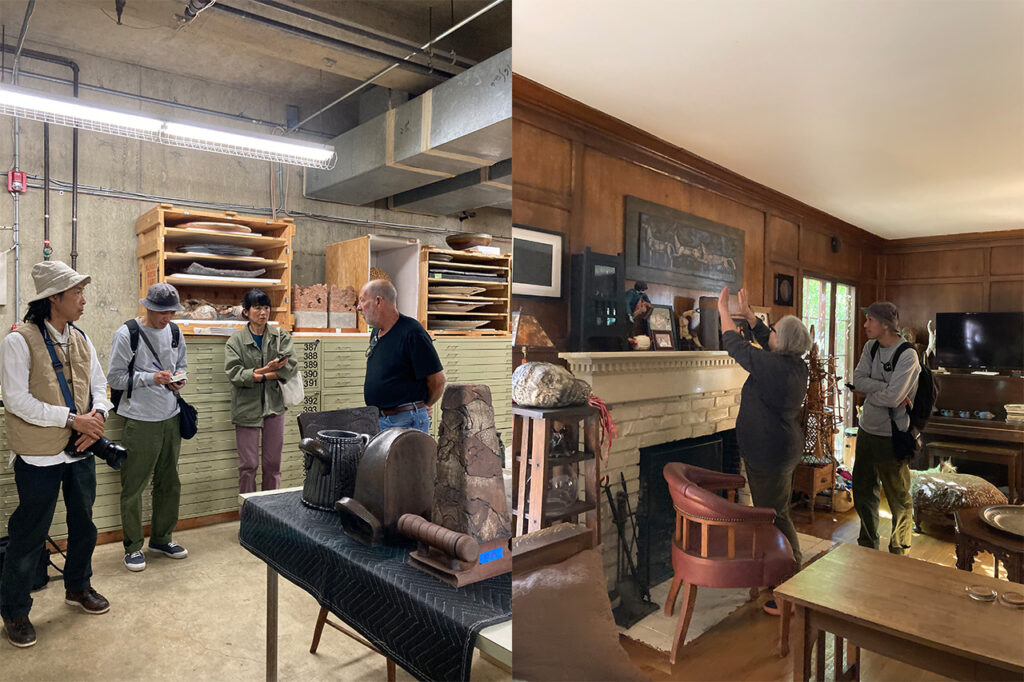
Fukamizu: When I hand the photos to Mr. Ide, I put a wordless message on the photograph I imagine he will use and in most cases he does use that one. I suppose this is another type of blank space. I do try and take my photos in a state where the explanation is a little lacking.
Miyamoto: I’m jealous. This doesn’t usually happen. Rather, you don’t get what you want unless you give all sorts of specific instructions. I think it’s really incredible that you have this trusting relationship where you can give each other wordless messages. I’m really jealous! I think it’s an incredible thing to work together with partners like that.
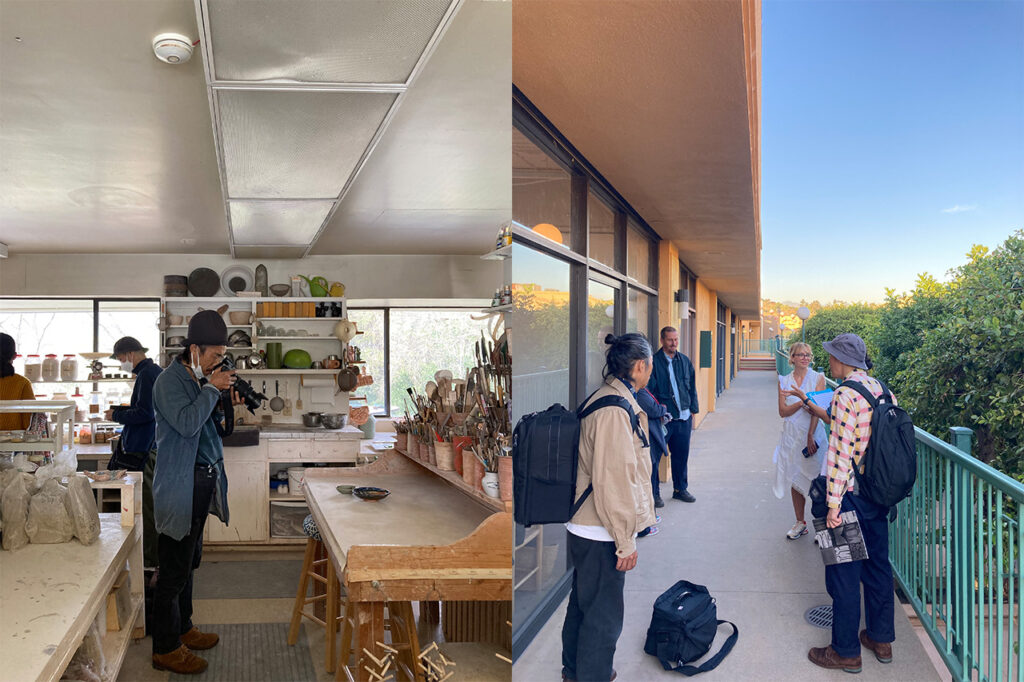
Ide: In this way, we work in a very un-businesslike manner. I think allowing this is a great joy as an editor. Making magazines just is really fun.
Miyamoto: It sure is.
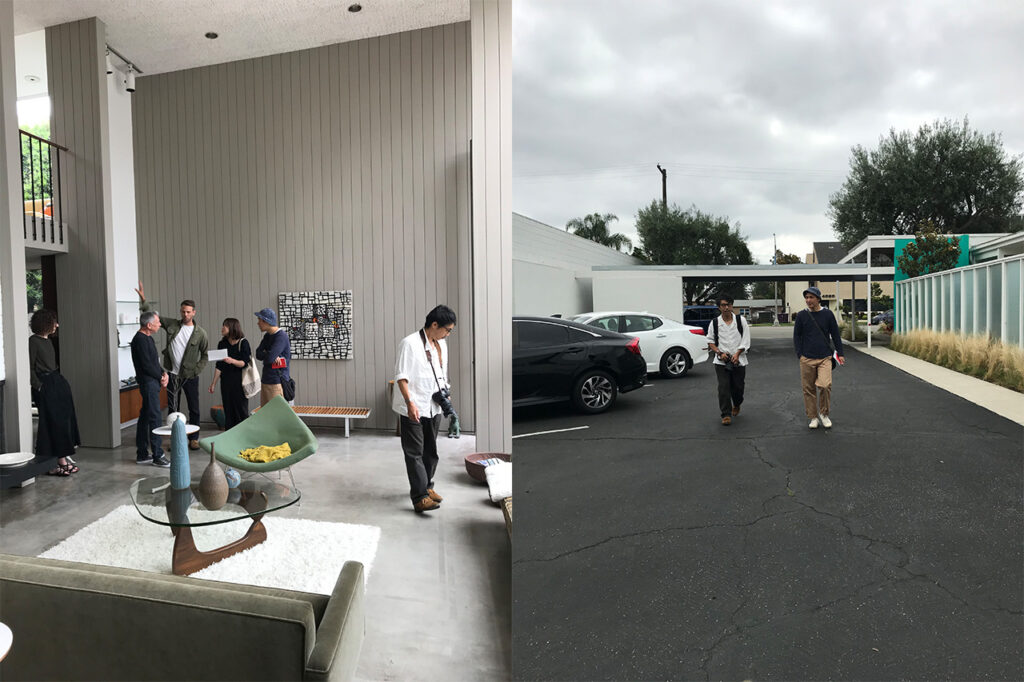
Ide: I’m a bit uncertain as to how much our readers enjoy it, but I hope our joy is brought across. There really wasn’t any sort of bad experience. It’s a real wonderful thing to be able to make things with such great partners.
Miyamoto: It really is. I still have many questions, but I feel like I understand things a lot better now. Thank you so much for today.
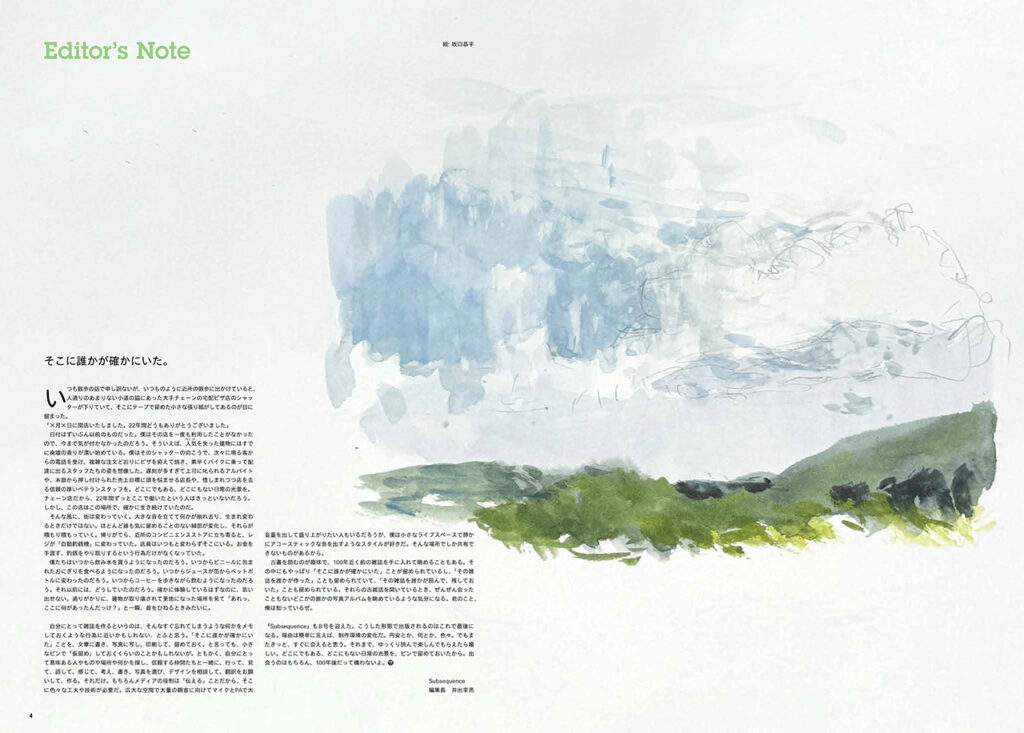
Event
Talk Event @Daikanyama Tsutaya Books – Part 1
2026.05.20
Event
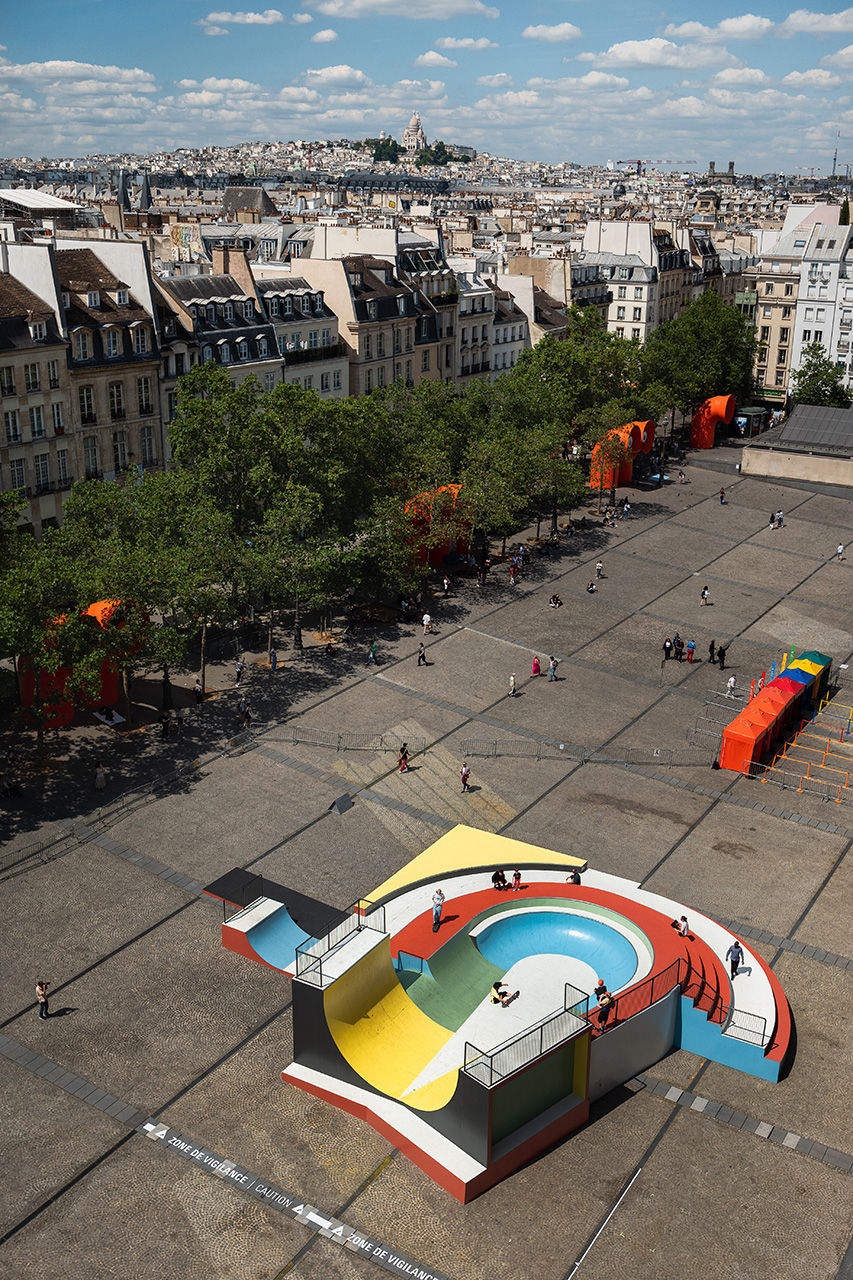
Dialogue with Raphaël Zarka : From Paris to Kyoto: In Search of Geometric Forms
2026.04.03
Event
Subsequence vol.8 Commemorative Talk Show Event@Tsutaya Books Daikanyama
2025.12.16
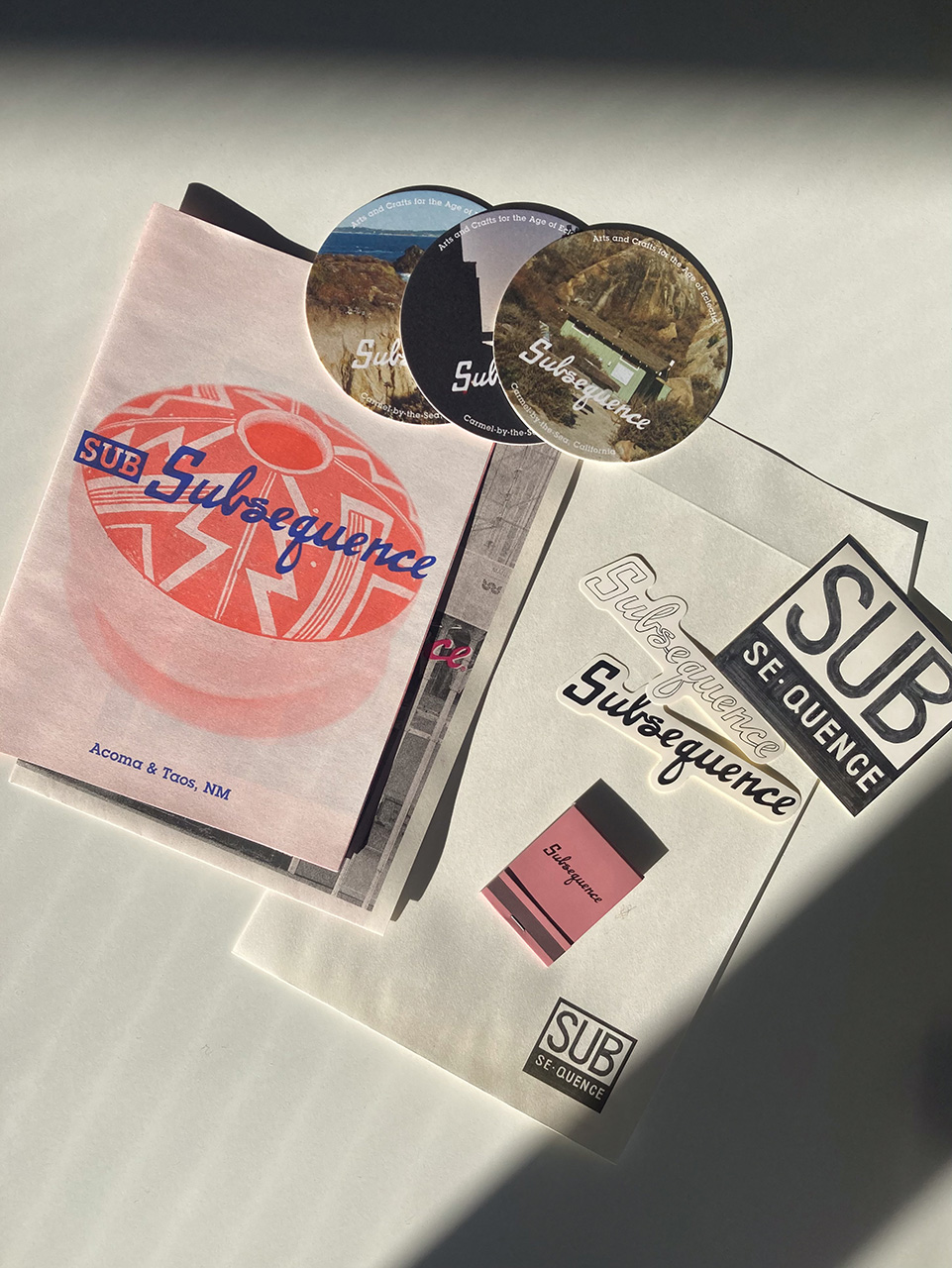
Event
Subsequence Salon
vol.5
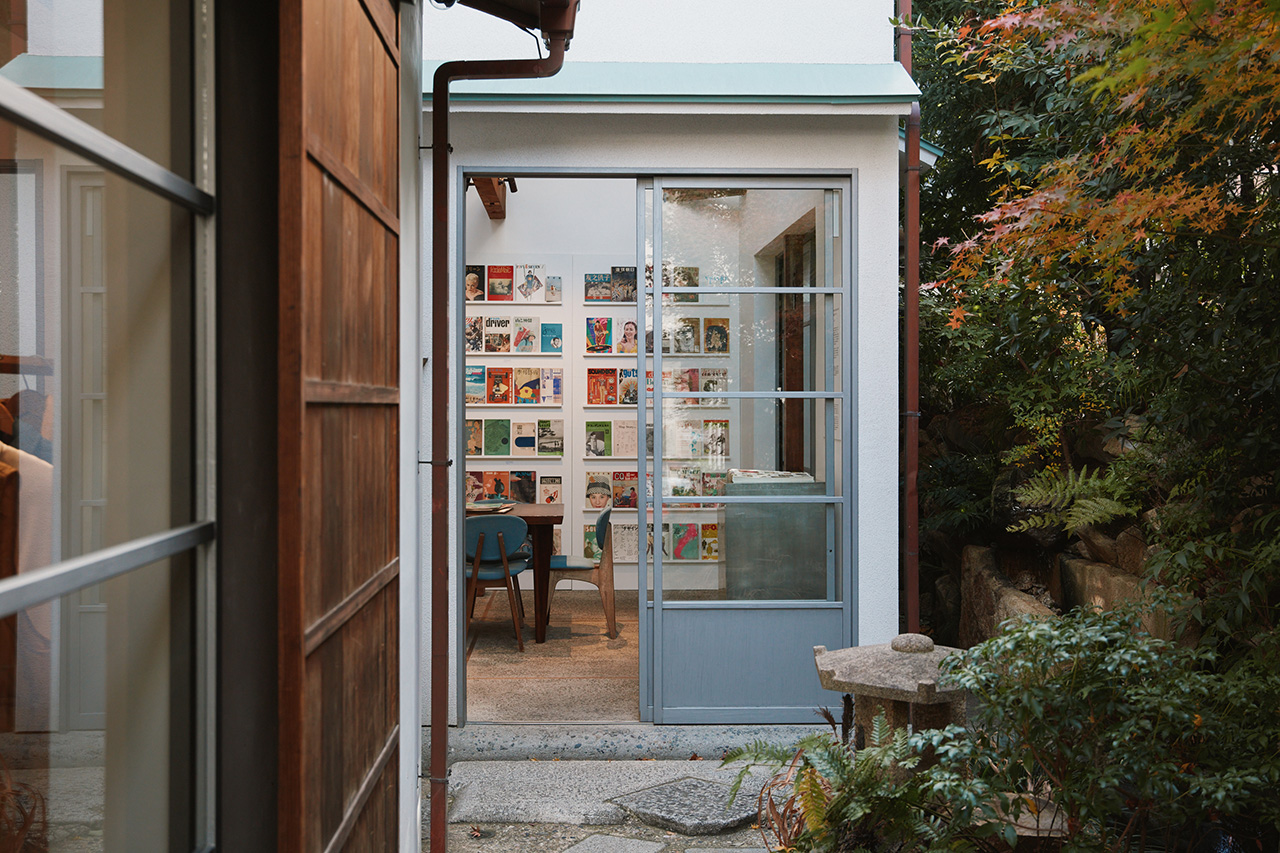
Exhibition “Capturing the Moment: 20th Century Japanese Magazine Library”
December 13th (Sat) ~ 21st (Sun), 2025
2025.12.15
volume 08
2025-1st
Bilingual Japanese and English
260 × 372mm 148P
Release date: December 13, 2025